A Complete Guide to Automated Barn Systems for New Construction Projects


Embarking on a new construction project for a barn can be an exciting venture, especially with the wide range of automated systems available today. These systems not only streamline operations but also enhance the overall efficiency and productivity of your barn. In this guide, we'll explore the essentials of automated barn systems, helping you make informed decisions for your project.
Understanding Automated Barn Systems
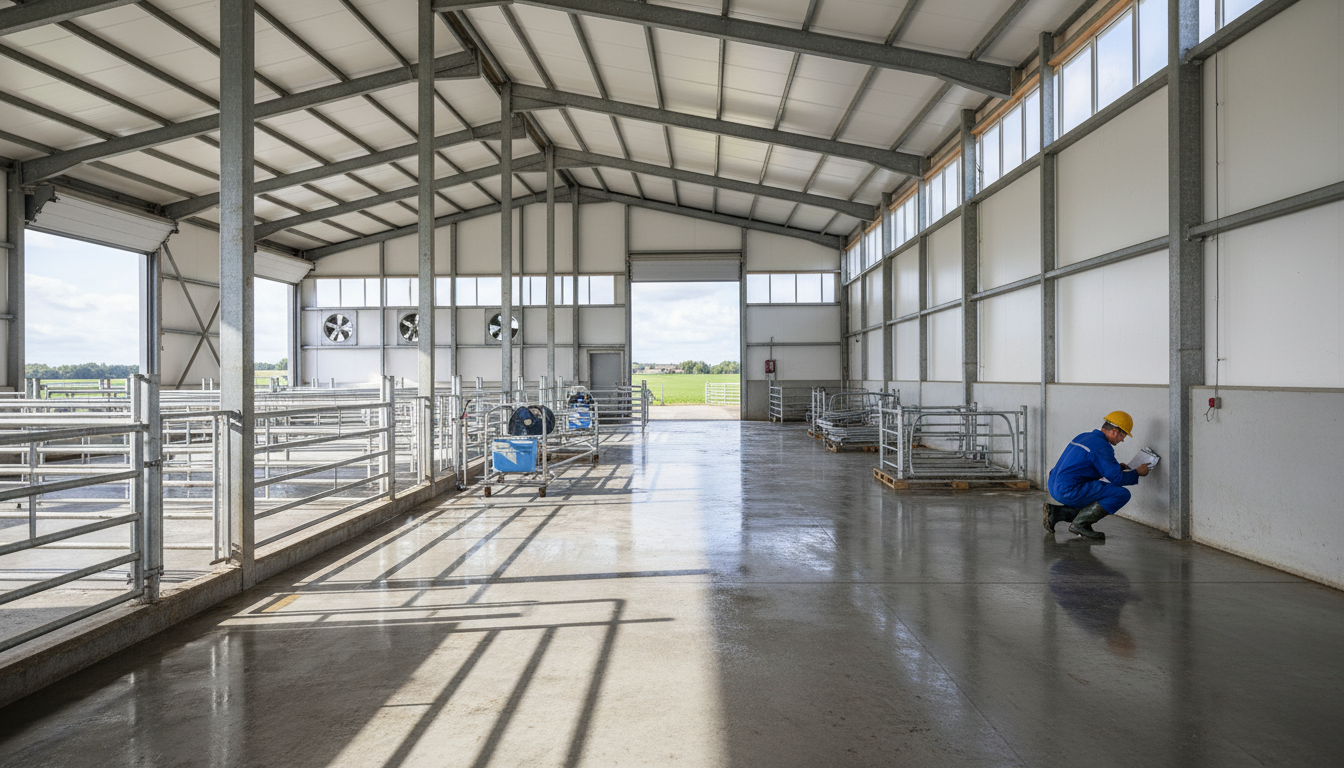
Automated barn systems encompass a variety of technologies designed to manage different aspects of barn operations. From climate control to feeding systems, automation can significantly reduce manual labor and improve animal welfare. Understanding the components and benefits of these systems is crucial for selecting the right ones for your needs.
Climate Control Systems
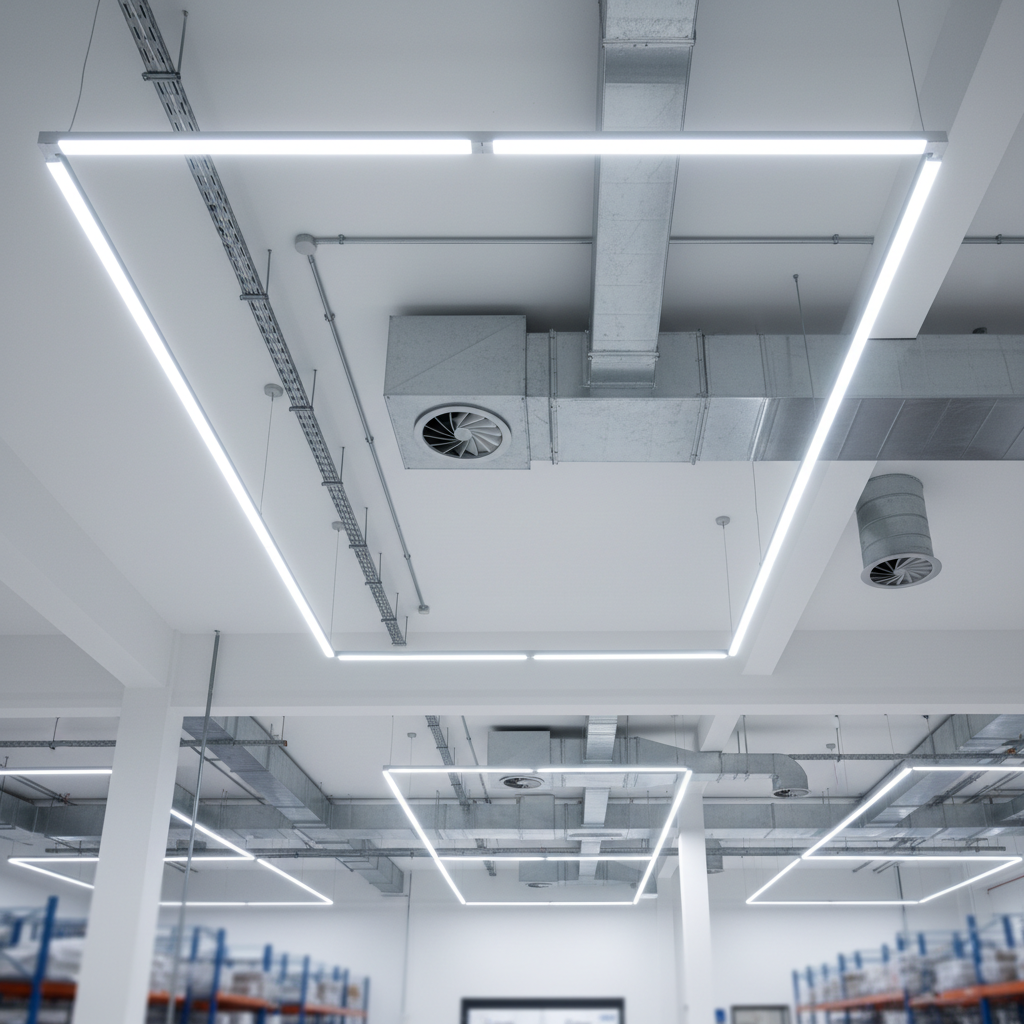
Maintaining an optimal environment is vital for the health and productivity of livestock. Automated climate control systems regulate temperature, humidity, and ventilation, ensuring a comfortable atmosphere year-round. These systems often include sensors and programmable controls that adjust settings automatically based on real-time data.
Feeding Automation
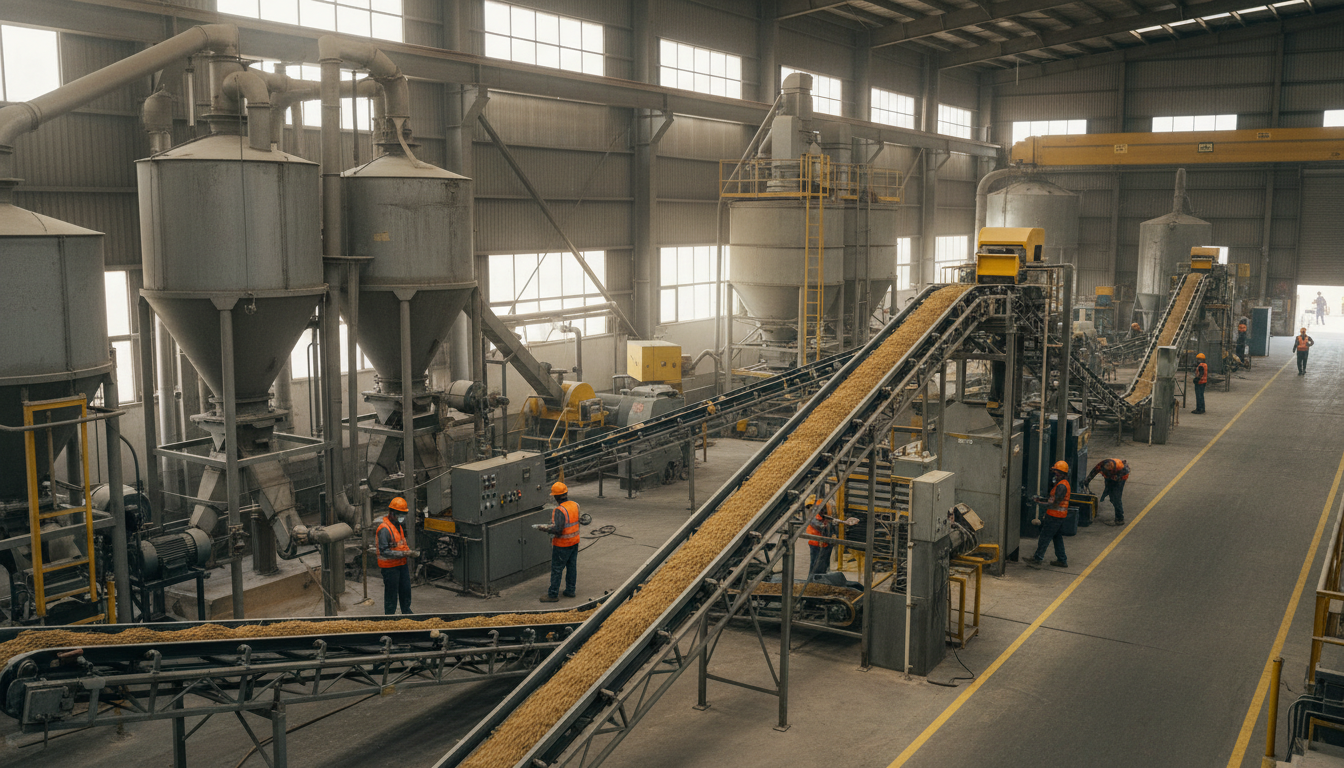
Feeding systems are another critical component of barn automation. Automated feeders can dispense precise amounts of feed at scheduled intervals, ensuring consistent nutrition for livestock. This not only improves animal growth rates but also minimizes feed waste. Modern systems can be tailored to different types of livestock, enhancing their effectiveness.
Choosing the Right System for Your Barn
When selecting automated systems, consider factors such as the size of your barn, the type of livestock, and your budget. It's essential to choose systems that can integrate seamlessly with one another, providing a cohesive operational framework. Consulting with experts or suppliers can provide valuable insights into the most suitable options for your specific requirements.
Installation and Integration
Proper installation and integration are crucial for maximizing the benefits of automated systems. Working with experienced professionals ensures that the systems are set up correctly and can function as intended. Integration also involves training staff to operate and troubleshoot the systems, ensuring smooth day-to-day operations.
Maintaining Your Automated Systems
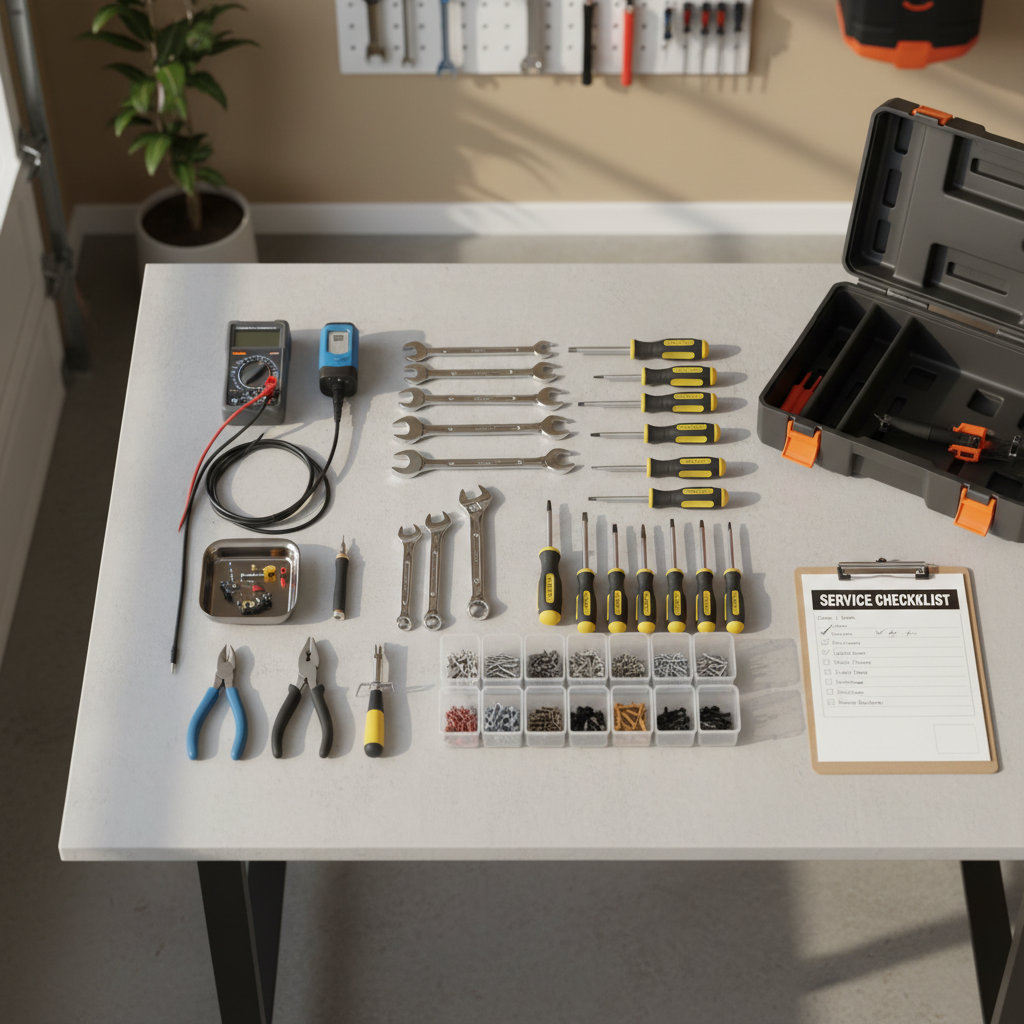
Regular maintenance is key to the longevity and efficiency of automated barn systems. Establishing a routine maintenance schedule helps prevent unexpected breakdowns and ensures systems are running optimally. Many modern systems offer remote monitoring and diagnostics, allowing for proactive management and timely interventions.
In conclusion, automated barn systems offer significant advantages for new construction projects, providing enhanced efficiency, reduced labor, and improved animal welfare. By understanding the various components and carefully selecting systems that meet your needs, you can create a modern, productive barn environment.