A Step-by-Step Guide to Installing Permanent Barn Automation Infrastructure


Introduction to Barn Automation
As the agricultural industry continues to embrace technology, more farmers are turning to barn automation to improve efficiency and productivity. Automating your barn can streamline operations, enhance animal welfare, and reduce labor costs. This step-by-step guide will help you install a permanent barn automation infrastructure.
Planning and Assessment
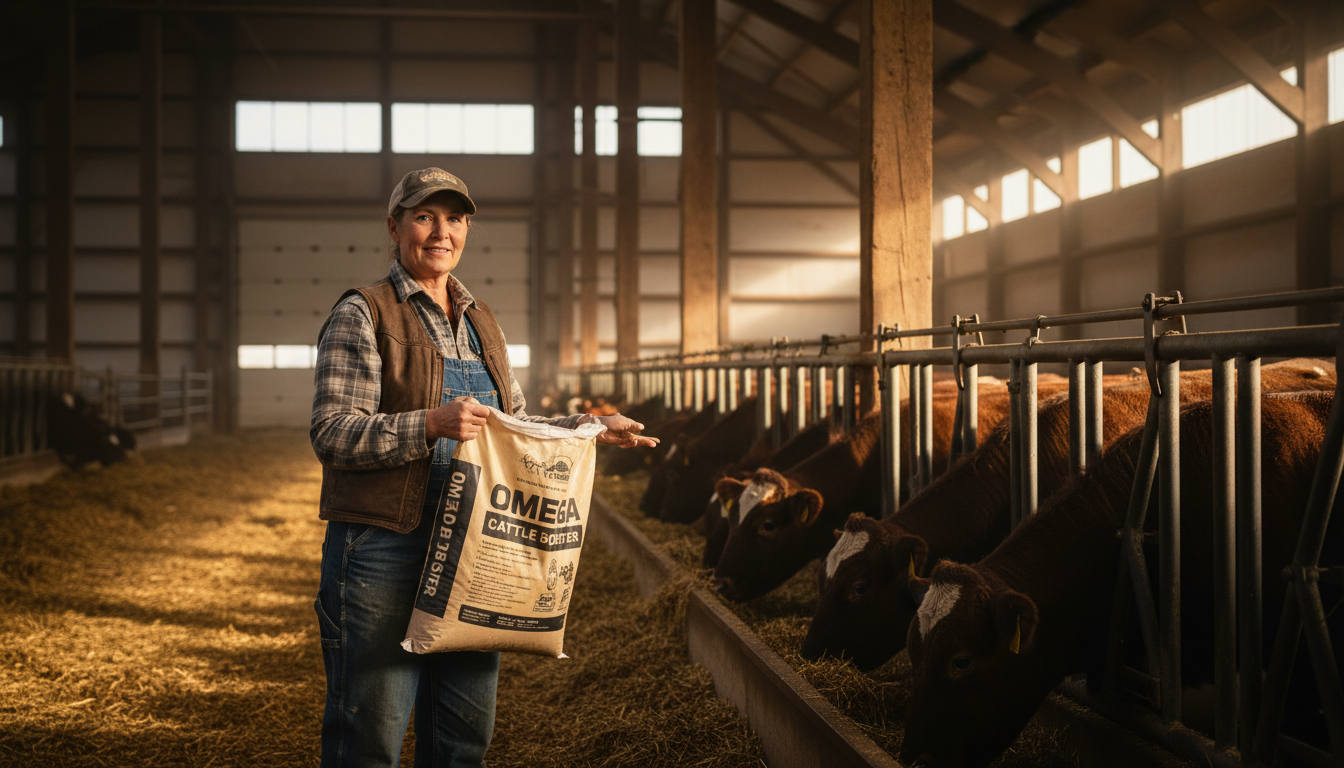
Before diving into installation, it's crucial to conduct a thorough assessment of your barn's current setup. Identify areas where automation can make a significant impact, such as feeding, lighting, and climate control. Create a detailed plan that outlines your specific goals and the technologies required.
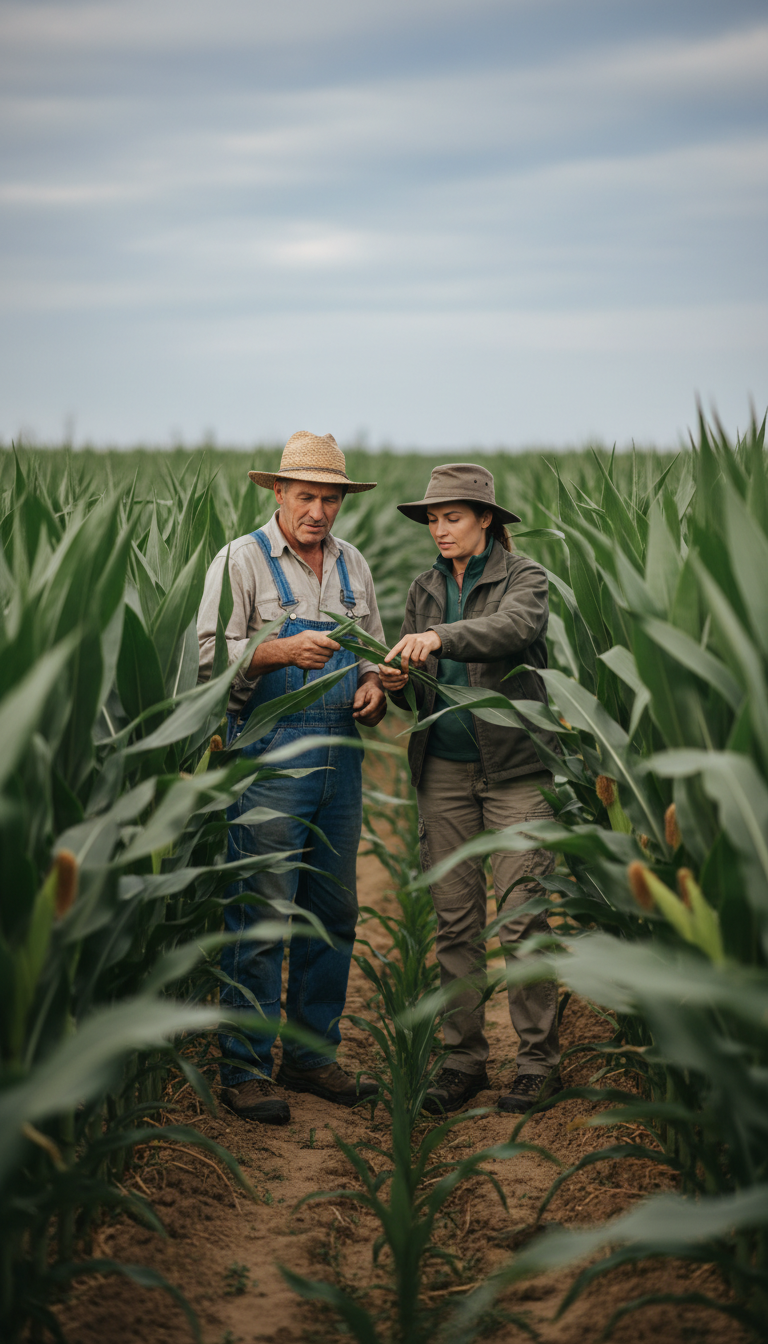
Consider consulting with an expert or a company specializing in agricultural automation to ensure that your plan is both efficient and feasible. This step will help you avoid costly mistakes and ensure a smoother implementation process.
Selecting the Right Equipment
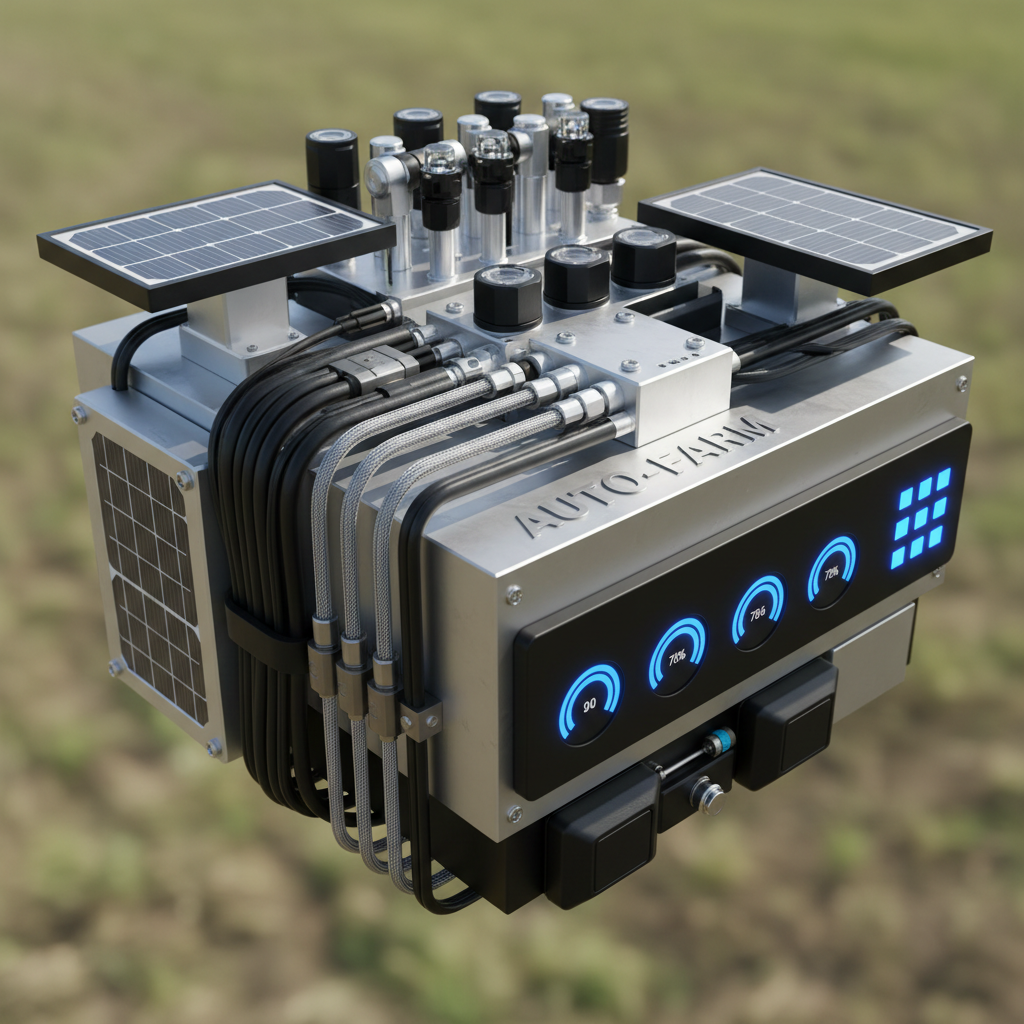
Choosing the appropriate equipment is essential for a successful automation project. Research various manufacturers and compare their products based on reliability, compatibility, and cost. Key components may include automated feeders, climate control systems, and lighting solutions.
Don't forget to consider the scalability of the equipment. As your farm grows, you may need to expand your automation system, so choose components that can be easily upgraded or added to.
Installation Process
Once you have your equipment, it's time to begin the installation. Follow the manufacturer's instructions carefully, ensuring that all components are correctly integrated and configured. This may involve setting up network connections, calibrating sensors, and testing systems.
Engage with professionals if needed, especially for complex installations. Proper installation is critical to the success and longevity of your automation infrastructure.
Testing and Calibration
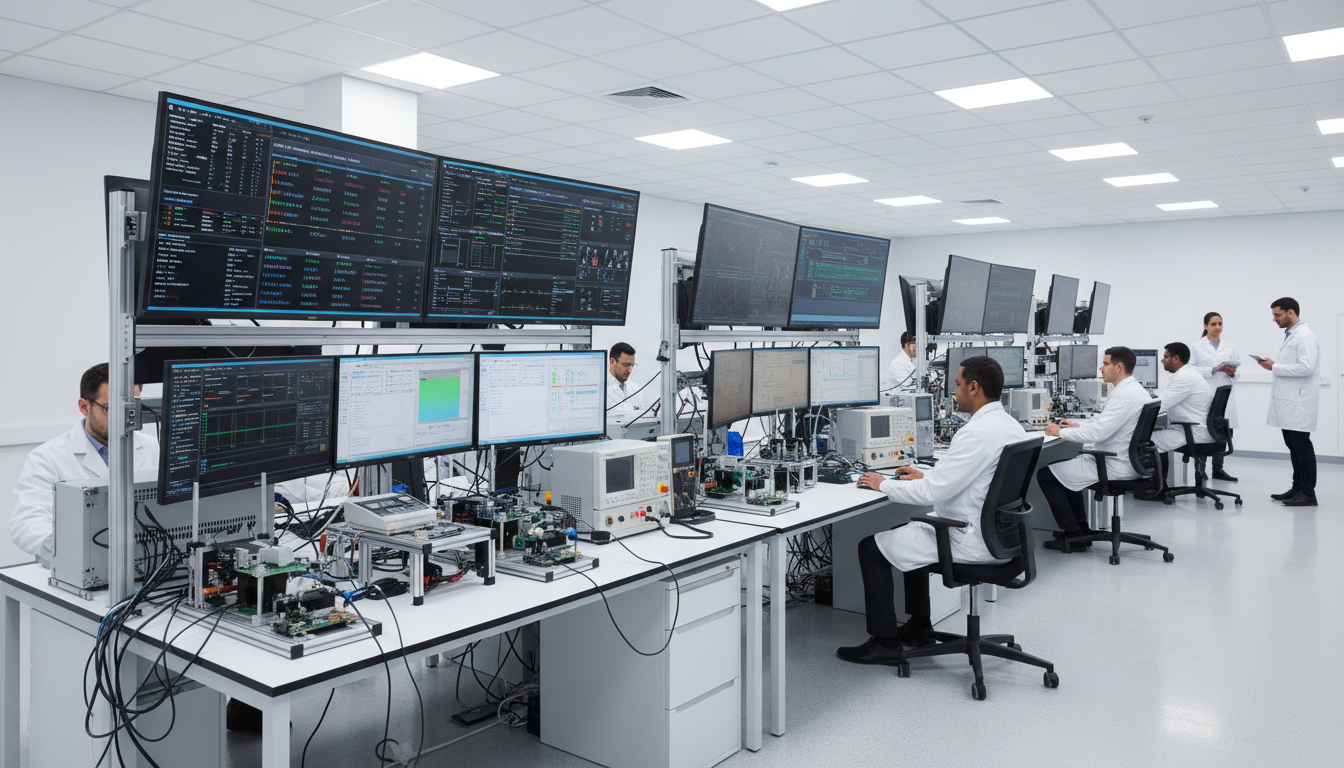
After installation, conduct thorough testing to ensure that all systems are functioning as expected. Calibrate sensors and make any necessary adjustments to optimize performance. It's important to address any issues at this stage before moving on to full operation.
Training and Maintenance
Training your staff on how to use the new automated systems is a crucial step. Ensure that everyone understands the functionalities and limitations of the technology. Regular maintenance and updates are also essential to keep the system running smoothly.
Create a maintenance schedule and stick to it. Regular checks will help prevent unexpected breakdowns and prolong the life of your equipment.
Final Thoughts
Installing a permanent barn automation infrastructure is a significant investment, but one that can yield substantial returns. By following this guide, you'll be well on your way to creating a more efficient and productive farming operation. Embrace the technology and watch your farm thrive.