Case Study: Transforming a Wellington, FL Equestrian Facility with Sairol


Introduction to the Transformation
In the heart of Wellington, FL, lies a renowned equestrian facility that recently underwent a remarkable transformation. This change was spearheaded by Sairol, a leader in innovative facility upgrades. This case study explores how Sairol's expertise revitalized the facility, enhancing both functionality and aesthetics.

The Challenge
The equestrian facility faced several challenges. Aging infrastructure and outdated amenities were becoming barriers to attracting top-tier events and clientele. Furthermore, the need for sustainable solutions was clear, as environmental concerns became increasingly important in the community.
Among the key issues were:
- Inefficient lighting systems
- Worn-out surfaces in arenas
- Limited spectator seating
Sairol’s Innovative Approach
Sairol devised a comprehensive plan to address these challenges. Their strategy focused on three main areas: infrastructure upgrades, sustainability, and enhancing the visitor experience. By leveraging cutting-edge technology and sustainable materials, Sairol was able to offer a solution that aligned with the facility's goals.

The project began with an overhaul of the lighting systems, replacing old fixtures with energy-efficient LEDs. This not only reduced energy consumption but also improved visibility for both riders and spectators.
Revamping the Arenas
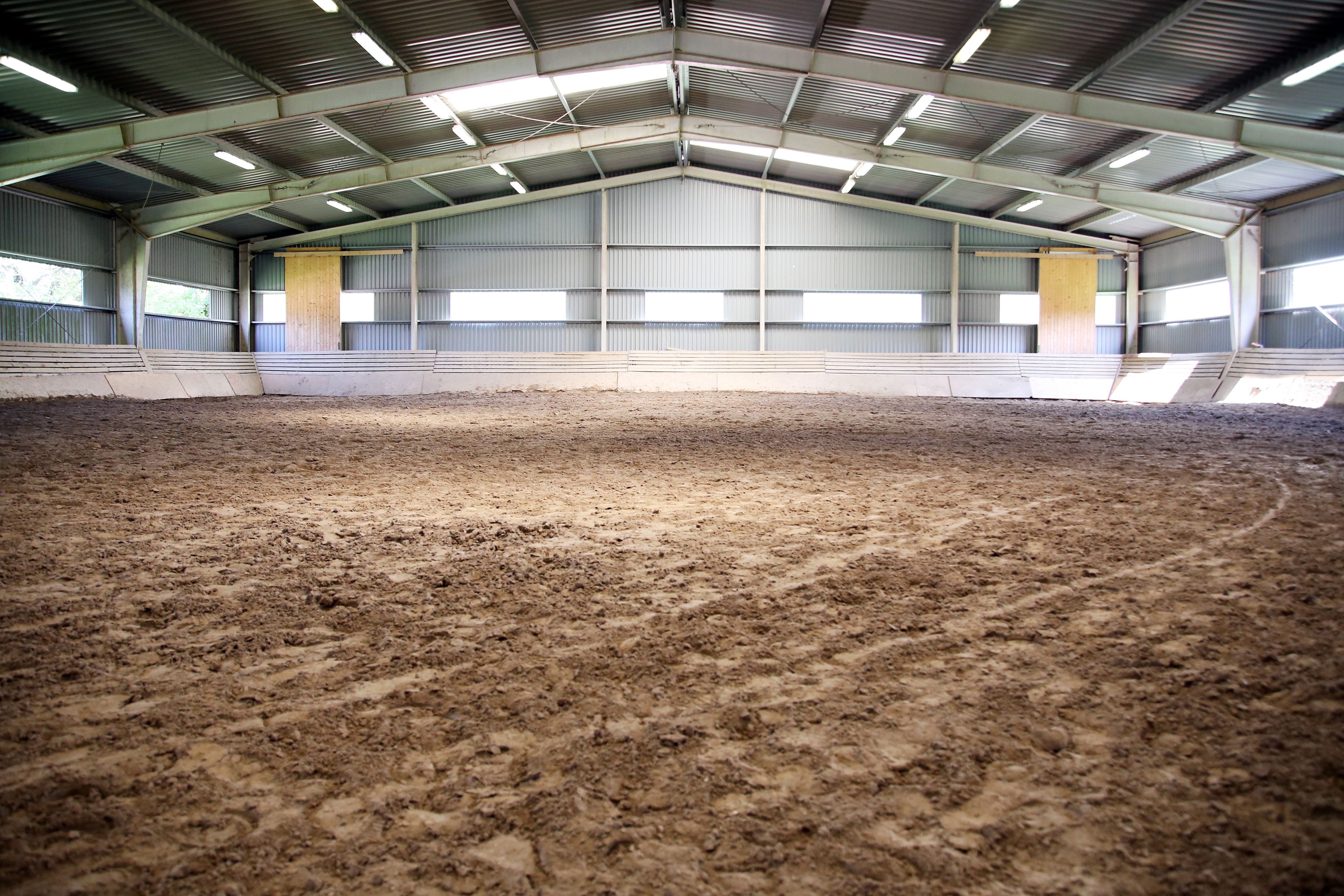
Next, Sairol turned their attention to the arenas. They installed new, durable surfaces designed to withstand heavy use while providing optimal conditions for horses. This upgrade was crucial for attracting high-profile events and ensuring the safety of participants.
Additionally, Sairol expanded the spectator seating, offering more comfort and better views of the action, which greatly enhanced the overall experience for visitors.
Environmental and Community Impact
Sairol’s commitment to sustainability extended beyond the facility itself. By choosing eco-friendly materials and implementing energy-saving systems, they significantly reduced the facility’s carbon footprint. This initiative resonated with the local community, showcasing the facility as a leader in sustainable practices.
Moreover, the project created opportunities for local businesses and contractors, boosting the local economy and fostering community pride in the upgraded facility.
Conclusion
The transformation of the Wellington equestrian facility is a testament to Sairol’s innovative and sustainable approach. By addressing key challenges and prioritizing environmental responsibility, the facility is now poised to host world-class events and attract a diverse range of visitors.
This case study underscores the impact of strategic planning and cutting-edge technology in revitalizing community landmarks, setting a new standard for equestrian facilities worldwide.