Choosing the Right Permanent Barn Infrastructure


When it comes to housing your beloved horses, the right barn infrastructure is crucial. A well-designed barn not only ensures the safety and comfort of your horses but also enhances the efficiency of your daily operations. Whether you're building a new barn or upgrading an existing one, making informed choices can save you time and money in the long run.
Understanding Your Needs
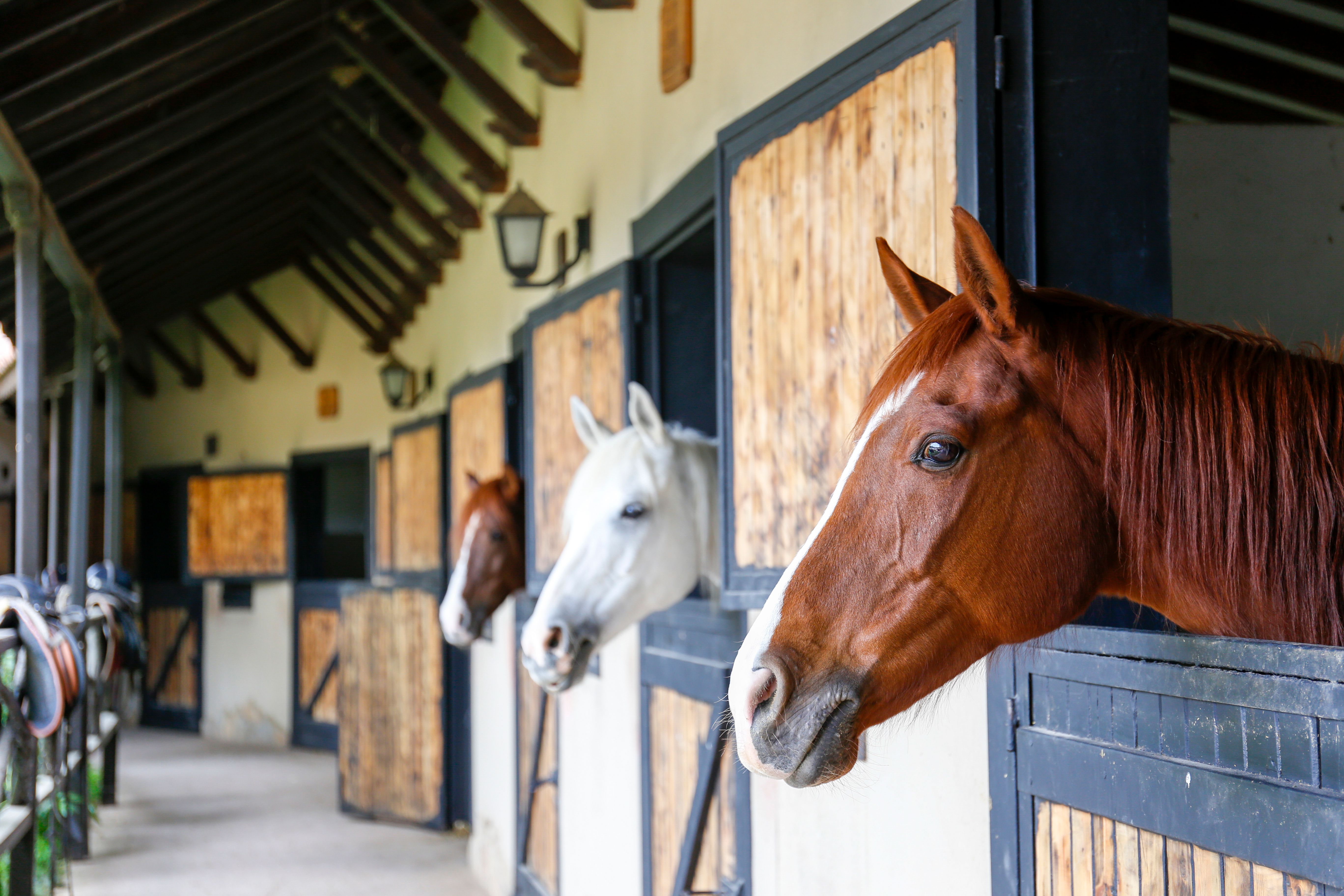
Before diving into the design and construction, it's essential to clearly understand your specific needs. Consider the number of horses you have and your future expansion plans. This will help you determine the size and layout of the barn. Additionally, think about the primary activities that will take place, such as breeding, training, or leisure riding. Each activity may require different features and space allocations.
Number of Stalls
The number of stalls is a fundamental aspect to consider. Ensure each horse has enough space to move comfortably. Standard stall dimensions are typically 12x12 feet, but larger horses may require more space. Also, consider the type of stall doors and flooring, as these elements impact both safety and maintenance.
Choosing the Right Materials
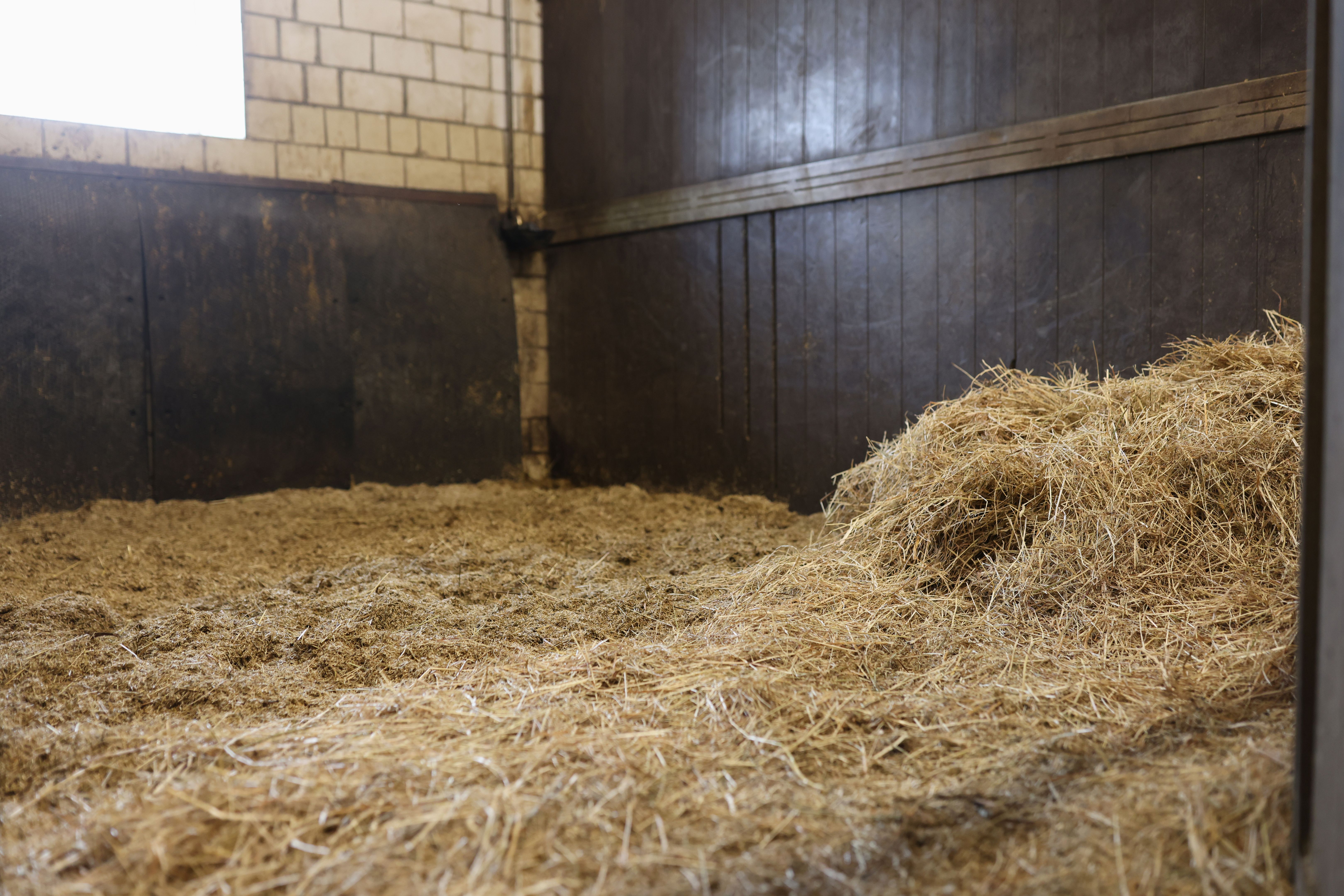
The materials you select for your barn's construction can significantly affect its durability and maintenance needs. Opt for materials that are not only strong but also easy to clean and resistant to harsh weather conditions. Common choices include wood, metal, and concrete. Each has its advantages and potential drawbacks, so weigh your options carefully.
Wood vs. Metal
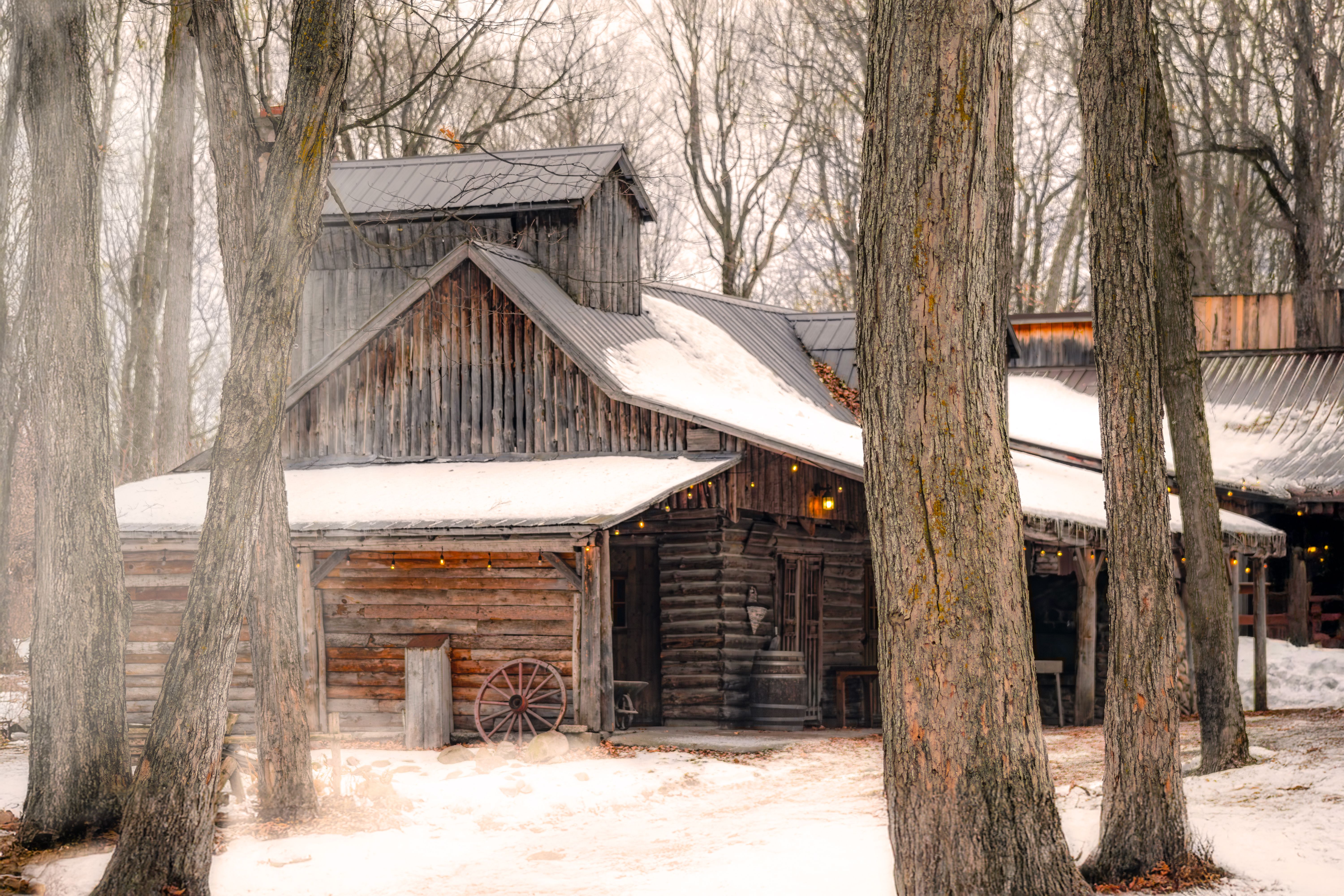
Wood is a traditional choice that offers a classic aesthetic and good insulation properties. However, it may require more maintenance to prevent rot and pest infestations. Metal barns, on the other hand, are low maintenance and fire-resistant but can get hot in summer without proper ventilation solutions.
Ventilation and Lighting
Proper ventilation is vital in maintaining a healthy environment for your horses. Good air circulation helps prevent respiratory issues and keeps the barn cool during hot months. Consider installing ridge vents, cupolas, or large windows to facilitate natural airflow.
Lighting Considerations
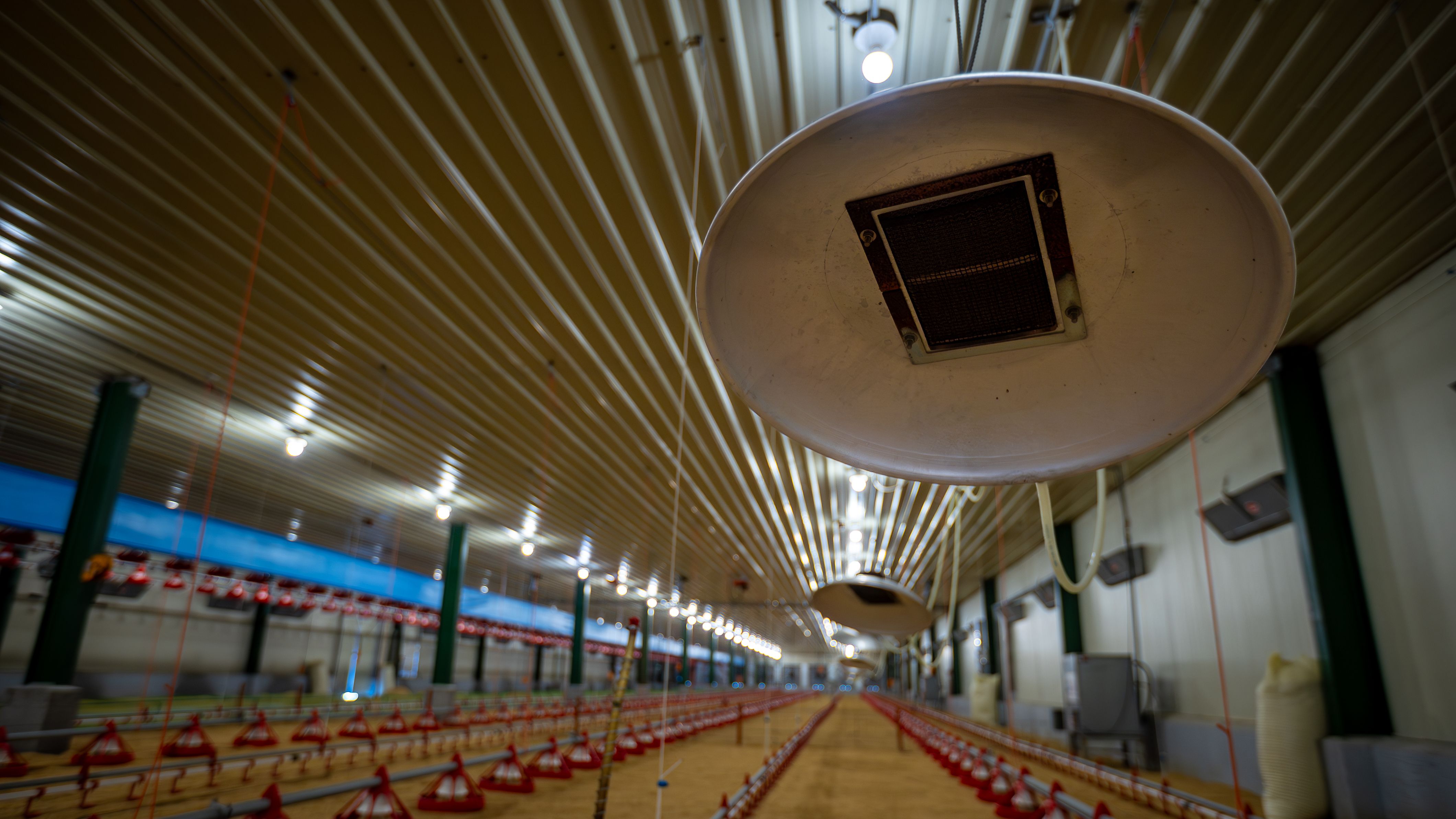
Lighting is another key element. Natural lighting is ideal, so incorporating windows and skylights can be beneficial. For artificial lighting, choose energy-efficient LED lights that mimic natural daylight to keep your barn well-lit and welcoming.
Safety and Accessibility
Ensuring your barn is safe and accessible is of utmost importance. Consider pathways and entry points that accommodate not only horses but also equipment and vehicles. Non-slip flooring and wide aisles improve safety, while strategically placed fire extinguishers and first-aid kits enhance emergency preparedness.
Accessibility Features
Design your barn with accessibility in mind. Easy-to-open doors, ramps instead of steps, and appropriate height for feeders and waterers can make daily tasks more manageable and safer for both horses and humans.
Choosing the right permanent barn infrastructure involves careful planning and consideration of various factors. By prioritizing the needs of your horses and your operational efficiency, you can create a barn that stands the test of time and provides a safe, comfortable home for your equine companions.