
Comprehensive Guide to Sustainable Equine Waste Management


Understanding Equine Waste Management
Equine waste management is a crucial aspect of horse care that impacts not only the health of the horses but also the environment. Managing horse manure sustainably can help reduce the ecological footprint of equine facilities and improve soil health. With thoughtful planning, horse owners can turn waste into a resource, rather than a problem.
The Environmental Impact of Horse Manure
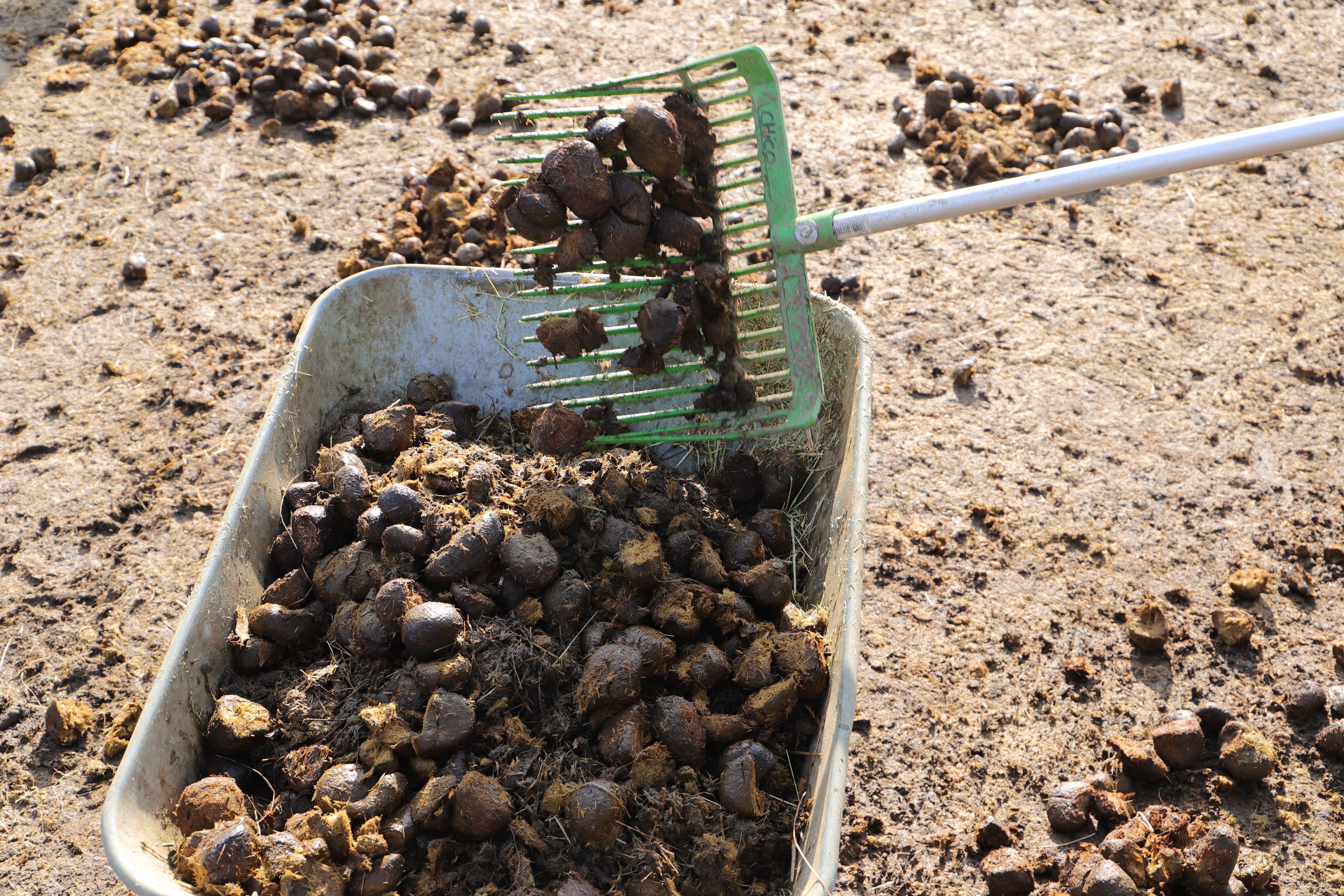
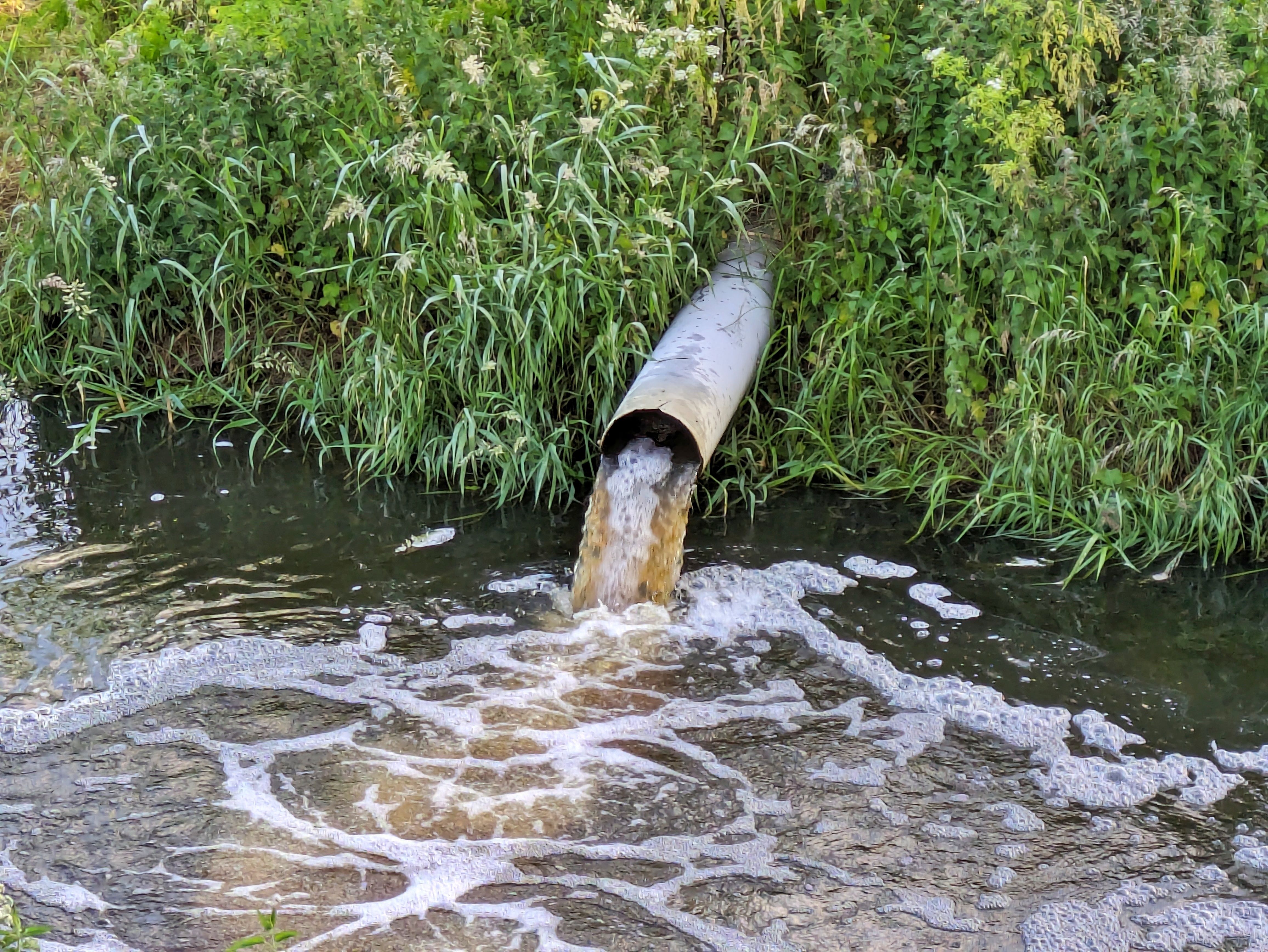
Horse manure, if not properly managed, can contribute to environmental issues such as water pollution and greenhouse gas emissions. When manure piles up, it can leach nutrients like nitrogen and phosphorus into nearby water bodies, leading to algal blooms and decreased water quality. Furthermore, decomposing manure releases methane, a potent greenhouse gas.
Reducing Water Pollution
To mitigate water pollution, it is essential to store manure on an impermeable surface and cover it to prevent runoff. This can help contain the nutrients and prevent them from contaminating local waterways. Implementing buffer zones with vegetation around storage areas can also absorb excess nutrients.
Composting Manure for Soil Health
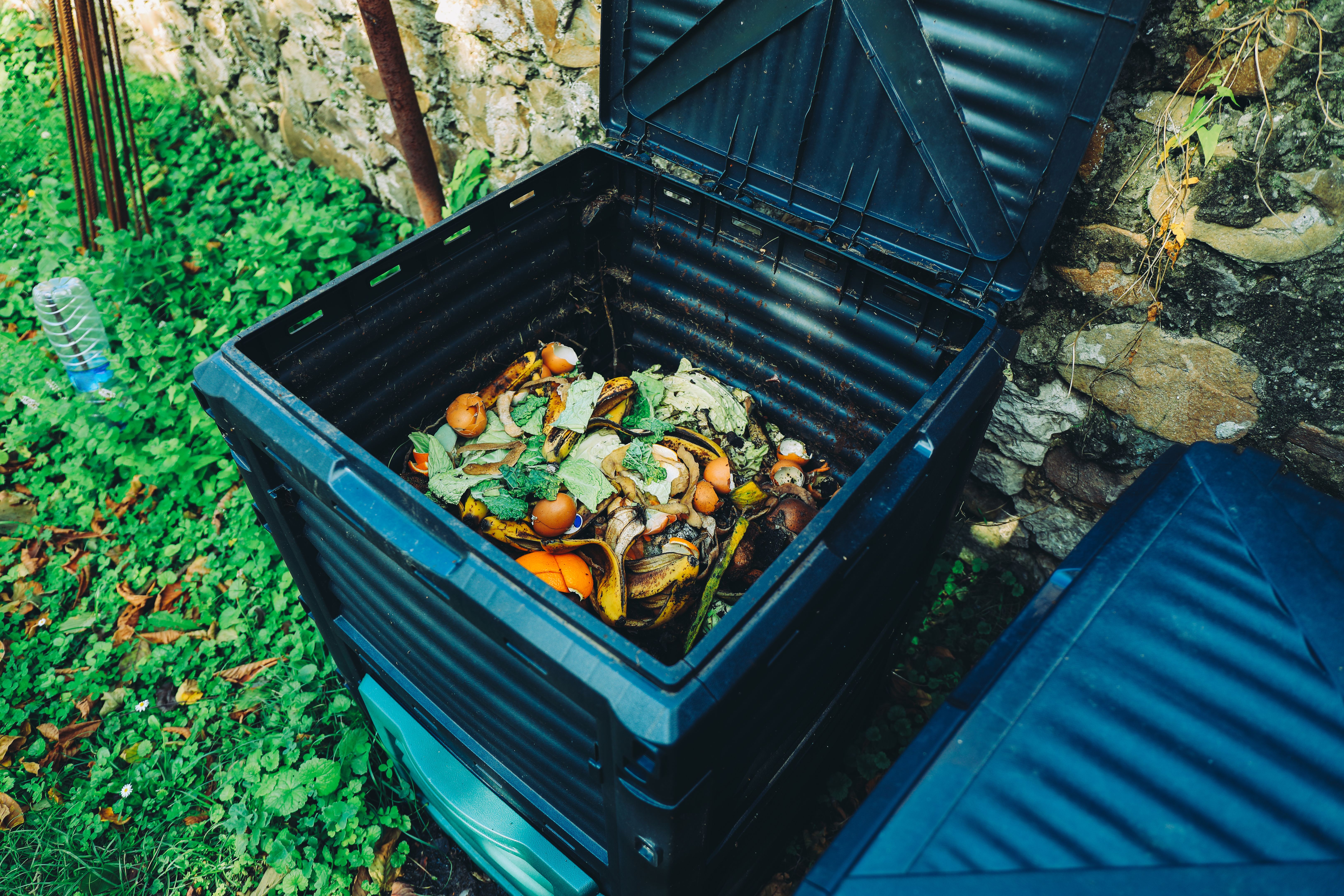
Composting is a sustainable way to manage horse manure, transforming it into valuable fertilizer for gardens and pastures. Composting reduces pathogens and weed seeds while stabilizing nutrients, making them more beneficial for soil health. It also minimizes the volume of waste, making it easier to handle and transport.
Steps to Effective Composting
To compost effectively, follow these steps:
- Collect manure and bedding materials.
- Layer them in a compost bin or pile, ensuring a balance of carbon and nitrogen-rich materials.
- Turn the pile regularly to aerate and maintain moisture.
- Monitor the temperature to ensure proper decomposition.
Recycling and Reusing Manure
Beyond composting, manure can be recycled and reused in various ways. Some equine facilities partner with local farmers to provide them with manure for field applications. Others use it as a biofuel to generate energy. These practices not only reduce waste but also create additional value from manure.
Innovative Uses of Manure
Innovative uses of manure include creating biogas through anaerobic digestion. This process captures methane emissions and converts them into renewable energy. Additionally, dried manure can be used to produce eco-friendly bricks or pellets for heating.
Implementing a Waste Management Plan
A comprehensive waste management plan is essential for any equine facility. This plan should consider the volume of manure produced, storage solutions, and disposal or recycling methods. Regular training and education for staff and horse owners can ensure the plan's success.

By adopting sustainable equine waste management practices, horse owners can contribute to environmental conservation while benefiting their facilities. Through composting, recycling, and innovative uses of manure, equine facilities can turn waste management challenges into opportunities for sustainability and growth.