Frequently Asked Questions about Installing Permanent Barn Automation Systems


What Are Permanent Barn Automation Systems?
Permanent barn automation systems are integrated technologies designed to streamline and enhance the management of barn operations. These systems often include automated feeding, climate control, lighting, and monitoring solutions that work together to improve efficiency and animal welfare. By automating routine tasks, farmers can focus on other critical areas of their operations.
Why Consider Installing a Barn Automation System?
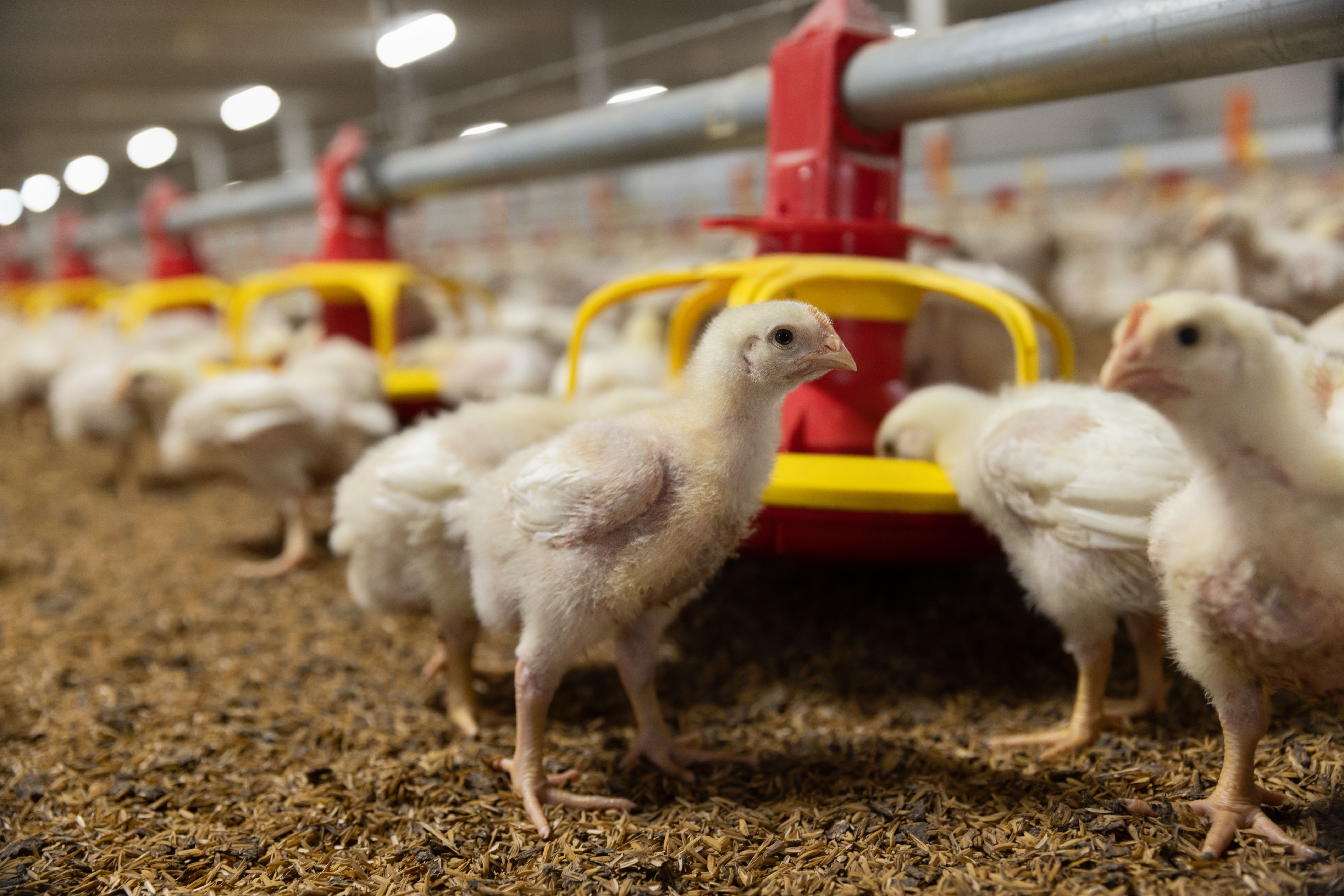
There are several compelling reasons to invest in barn automation systems. Firstly, they can significantly reduce labor costs by automating time-consuming tasks. Secondly, they improve precision in feeding and environmental control, leading to healthier livestock and better yields. Additionally, automation can help farmers comply with regulatory requirements more easily.
Benefits of Automation
Automated systems provide consistent and reliable control over barn conditions. This consistency leads to optimal living conditions for animals, reducing stress and promoting growth. Moreover, by collecting and analyzing data, these systems offer insights that can lead to further improvements in farm management.
Common Features of Barn Automation Systems
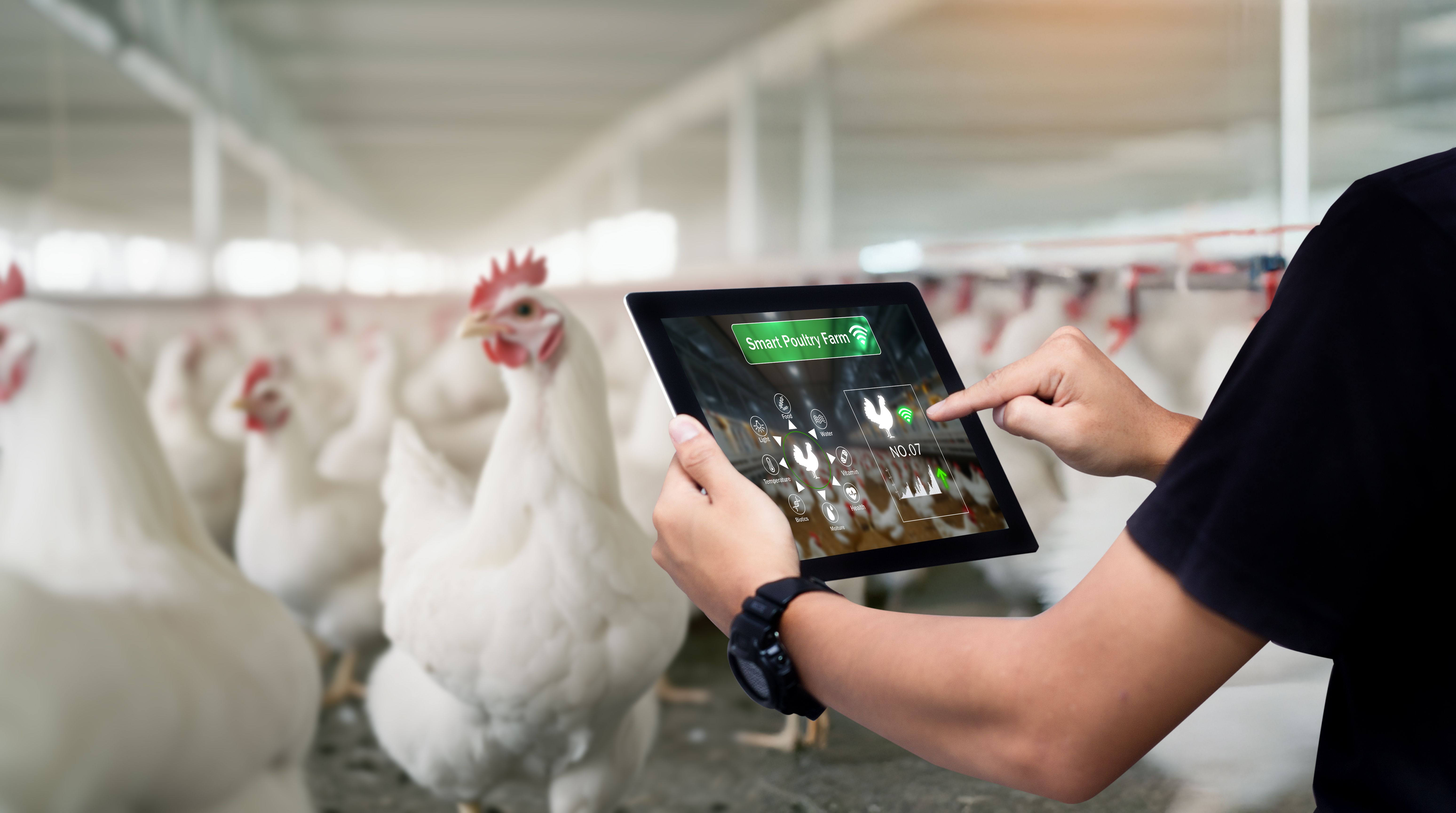
Most barn automation systems come equipped with a variety of features designed to enhance farm operations. These often include:
- Automated Feeding Systems: These systems ensure that animals receive the right amount of feed at the right times.
- Climate Control: Automated temperature and humidity regulation helps maintain optimal conditions.
- Lighting Automation: Timed lighting systems can mimic natural daylight patterns, improving animal health.
- Monitoring and Alerts: Real-time monitoring and alerts keep farmers informed of any issues.
How to Choose the Right System for Your Barn
When selecting a barn automation system, consider factors such as the size of your operation, the specific needs of your livestock, and your budget. It's essential to evaluate the scalability of the system and its compatibility with existing infrastructure. Consulting with experts can provide valuable insights and ensure you make the best choice for your farm.
Installation Process and Considerations
Installing a permanent barn automation system involves several steps. Initially, a site assessment is conducted to determine the specific requirements and design a tailored solution. Following this, the installation process includes setting up the necessary hardware and software components, followed by thorough testing to ensure system integrity.
Installation Tips
Ensure that the installation is carried out by professionals who understand the nuances of farm operations. Proper installation not only guarantees efficiency but also extends the lifespan of the system. Regular maintenance and updates are also crucial to keep the system running smoothly.
Cost of Installation
The cost of installing a barn automation system can vary widely depending on several factors, including the size and complexity of the system, the features included, and the specific requirements of your farm. However, many farmers find that the long-term savings and benefits justify the initial investment.

Are There Any Drawbacks?
While barn automation systems offer numerous advantages, there may be some potential drawbacks. The initial cost can be high, and there may be a learning curve involved in operating the new technology. It's also important to consider the ongoing maintenance requirements to ensure the system continues to function optimally.