
How California's Regulations Impact Equine Waste Management


Understanding California's Regulatory Framework
California is known for its stringent environmental regulations, and equine waste management is no exception. The state has implemented various laws and guidelines aimed at minimizing the environmental impact of horse manure and stable waste. These regulations are crucial for maintaining California's air and water quality, which in turn protects both the ecosystem and public health.
Equine facilities are required to comply with local ordinances as well as state and federal regulations. Key agencies involved include the California Department of Food and Agriculture and the Environmental Protection Agency. Understanding and adhering to these regulations can be complex, but it is essential for all equine facility operators.

The Environmental Impact of Equine Waste
Equine waste is not just an issue of cleanliness; it has significant environmental implications. Horse manure can contribute to the contamination of water sources if not managed properly. It contains nutrients like nitrogen and phosphorus, which can lead to algal blooms that deplete oxygen levels in water bodies, harming aquatic life.
Additionally, improperly managed waste can attract pests and produce unpleasant odors. California's regulations help mitigate these issues by requiring proper waste storage, handling, and disposal methods.

Key Regulations and Their Requirements
Several key regulations govern equine waste management in California. These include:
- Water Quality Control: Facilities must ensure that runoff from manure piles does not enter water streams.
- Air Quality Management: Measures must be taken to reduce odors and emissions from waste.
- Waste Recycling and Reuse: Encouragement of composting and recycling manure to reduce landfill use.
Best Practices for Compliance
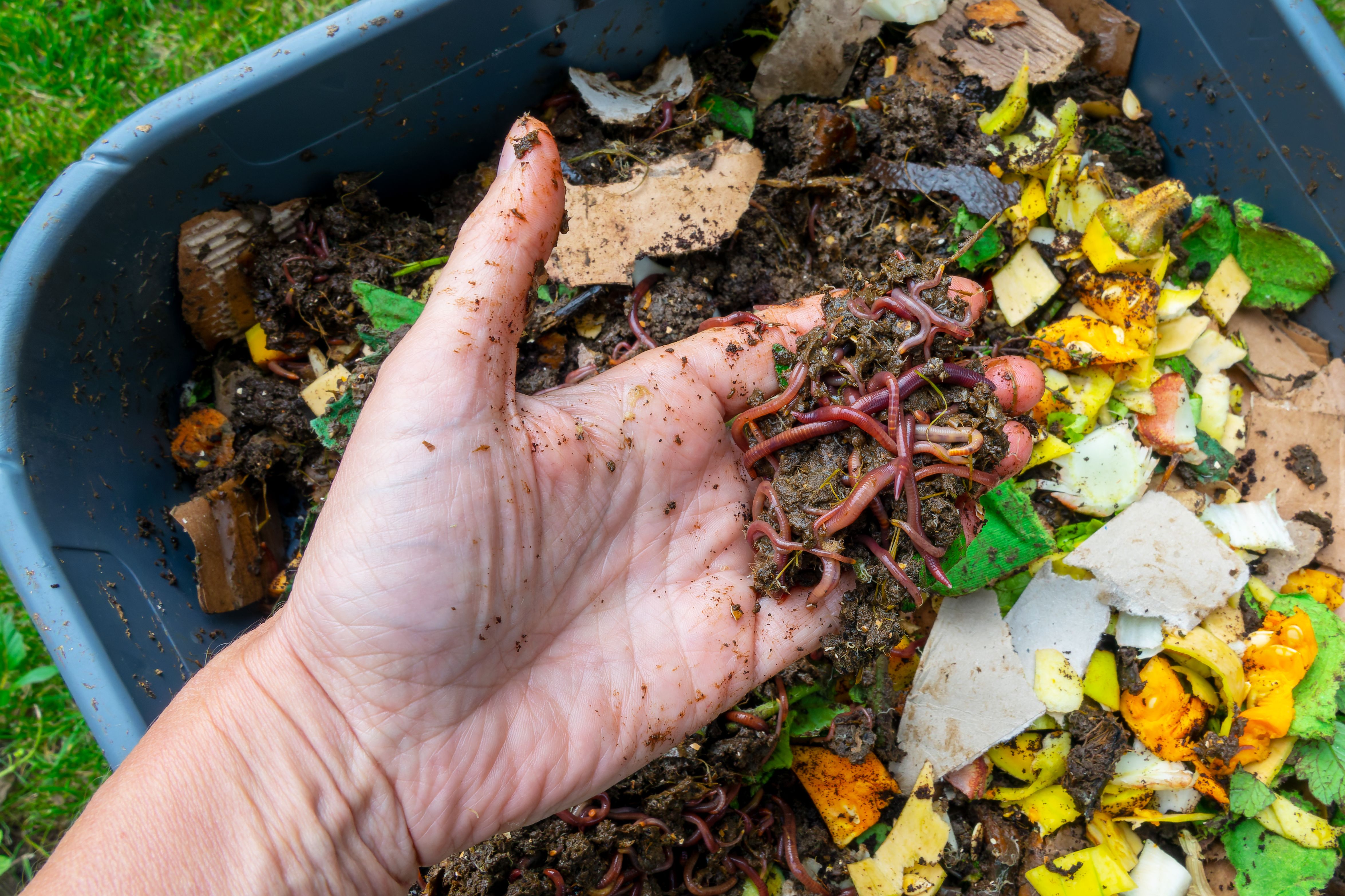
Complying with California's regulations can be challenging, but adopting best practices can simplify the process. First, facilities should implement proper manure storage solutions, such as covered bins or composting systems, to minimize environmental impact.
Regular training for staff on waste management protocols is also essential. This ensures that everyone involved is aware of the regulations and knows how to comply effectively. Utilizing technology, such as automated waste collection systems, can further streamline operations.
The Role of Technology in Waste Management
Technology plays a crucial role in modern equine waste management. Automated manure removal systems, for example, can significantly reduce labor costs and improve efficiency. Additionally, software solutions are available to help track waste management practices and ensure compliance with regulations.
These technological innovations not only make waste management more efficient but also help facilities comply with California's strict environmental standards.
The Benefits of Compliance
Compliance with California's equine waste management regulations offers numerous benefits. By adhering to these rules, facilities can avoid costly fines and legal issues. Moreover, responsible waste management practices contribute to a healthier environment and community.
Additionally, facilities that demonstrate a commitment to sustainability can enhance their reputation, attracting environmentally conscious clients and partners.

Conclusion
California's regulations on equine waste management are comprehensive and essential for protecting the environment. While compliance may seem daunting, understanding the regulations and implementing best practices can make the process more manageable.
By leveraging technology and remaining committed to sustainability, equine facilities can not only meet regulatory requirements but also contribute positively to California's environmental goals.