Revolutionizing Equestrian Facilities with 20 Stall Barn Automation


The Rise of Smart Barns
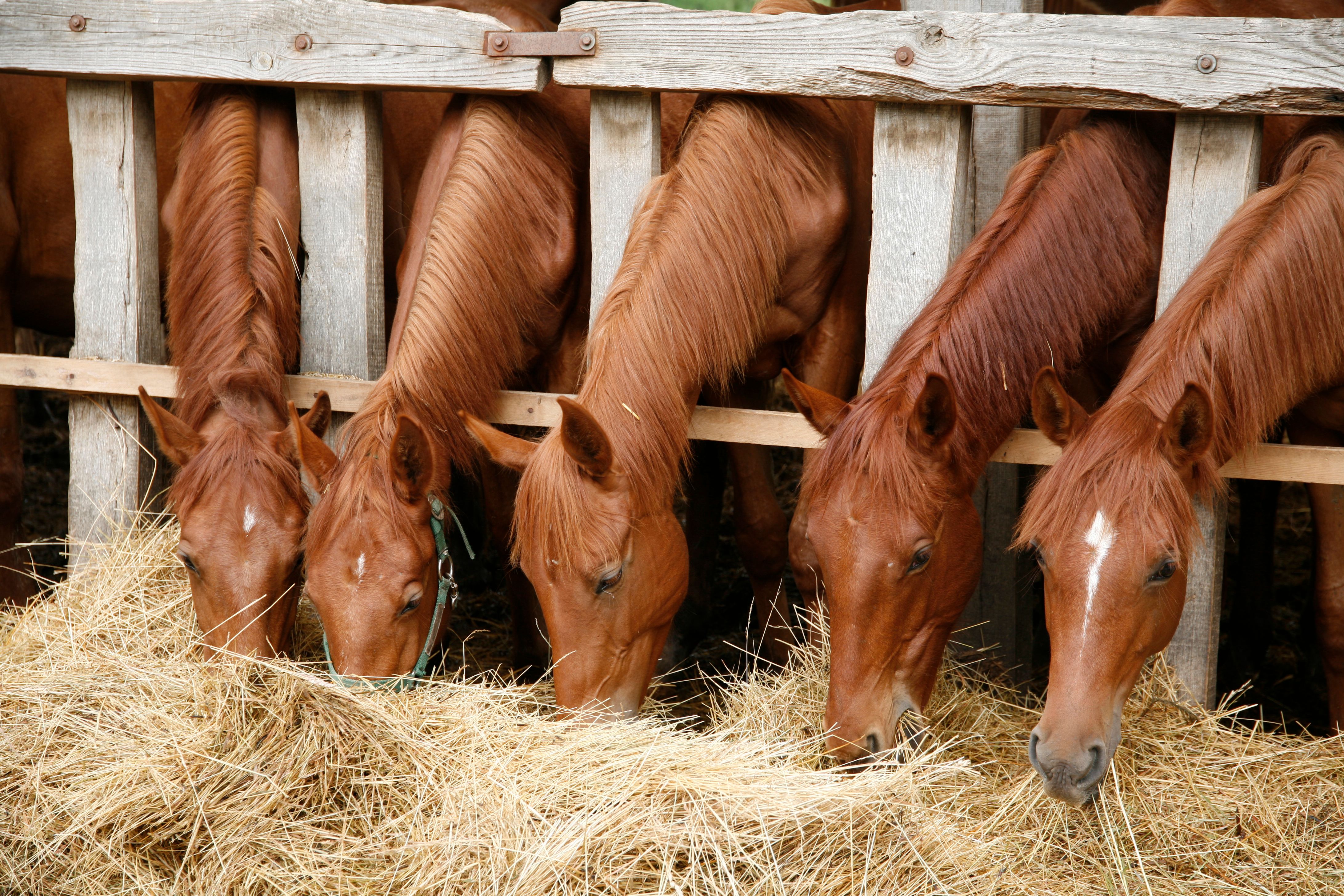
In recent years, the equestrian industry has seen a technological revolution with the advent of automated barn systems. These innovations are not just about convenience; they offer significant improvements in horse care and facility management. One of the most exciting developments is the 20 stall barn automation, which promises to transform how we think about equestrian facilities.
Implementing automation in a barn setting involves integrating advanced technology into daily operations. This means utilizing smart systems that can manage everything from feeding schedules to climate control with precision and efficiency.
Benefits of Automation
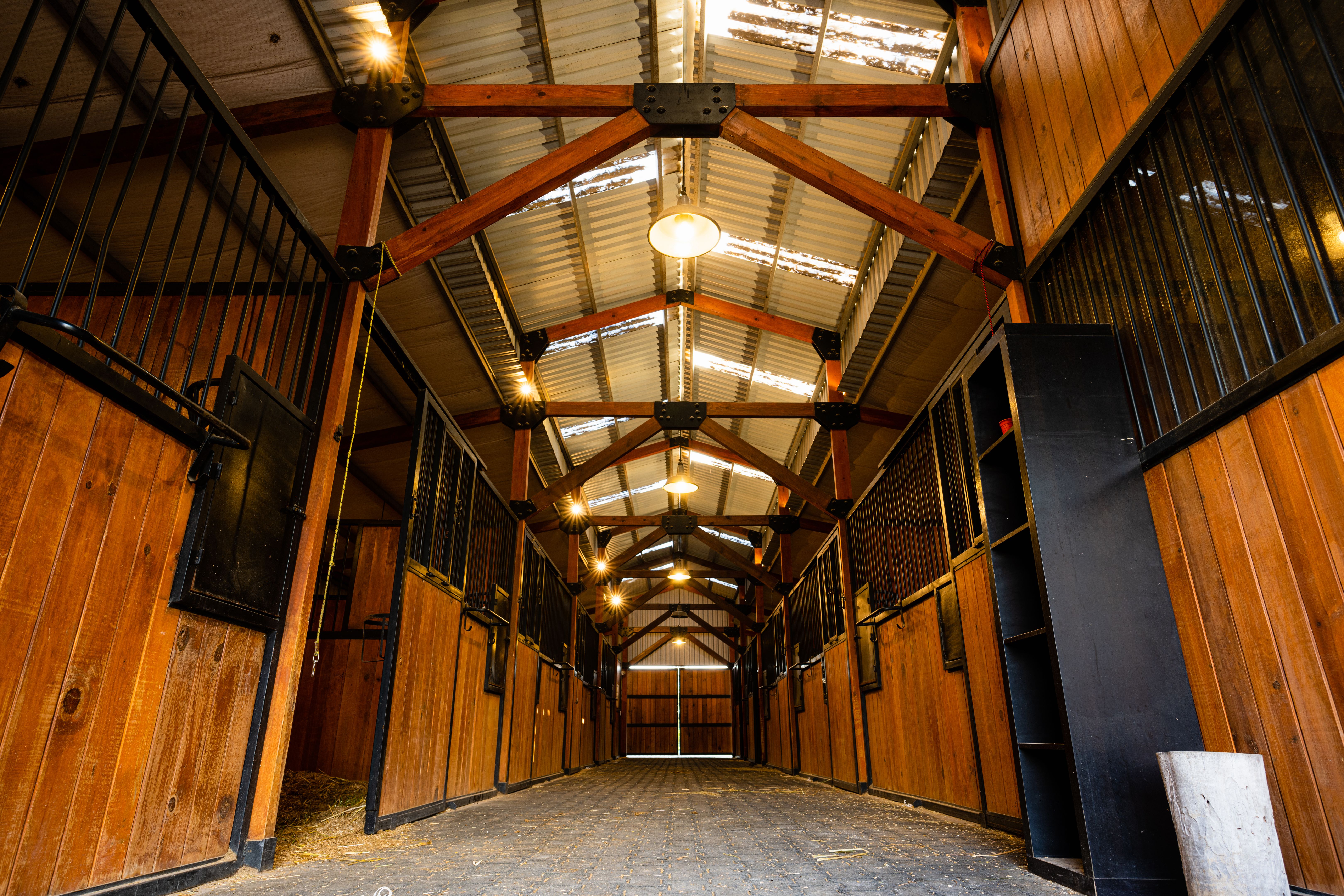
The primary benefit of automated systems is the enhanced care for horses. With precise control over feeding times, amounts, and dietary needs, each horse receives individualized attention. Automated feeders can be programmed to dispense the exact amount of feed required, reducing waste and ensuring the health of the animals.
Additionally, climate control systems maintain optimal environmental conditions in the barn, regardless of external weather. This not only ensures the comfort of the horses but also helps in preventing respiratory issues and other health concerns related to poor air quality.
Streamlined Operations
For facility managers, automation translates to streamlined operations. Automated lighting systems, for example, can be programmed to mimic natural daylight cycles, improving the overall well-being of the horses. These systems can be controlled remotely, allowing for adjustments without needing to be onsite.
Moreover, security systems integrated with cameras and sensors provide peace of mind. Managers can monitor the barn in real-time, ensuring the safety of both horses and equipment.
Cost Efficiency
While the initial investment in automation technology can be significant, the long-term cost savings are substantial. By reducing labor costs and minimizing waste, these systems often pay for themselves within a few years.
Automated systems also allow for better resource management. Watering systems, for example, can be set to provide the exact amount needed, conserving water and reducing utility bills.
Future of Equestrian Facilities
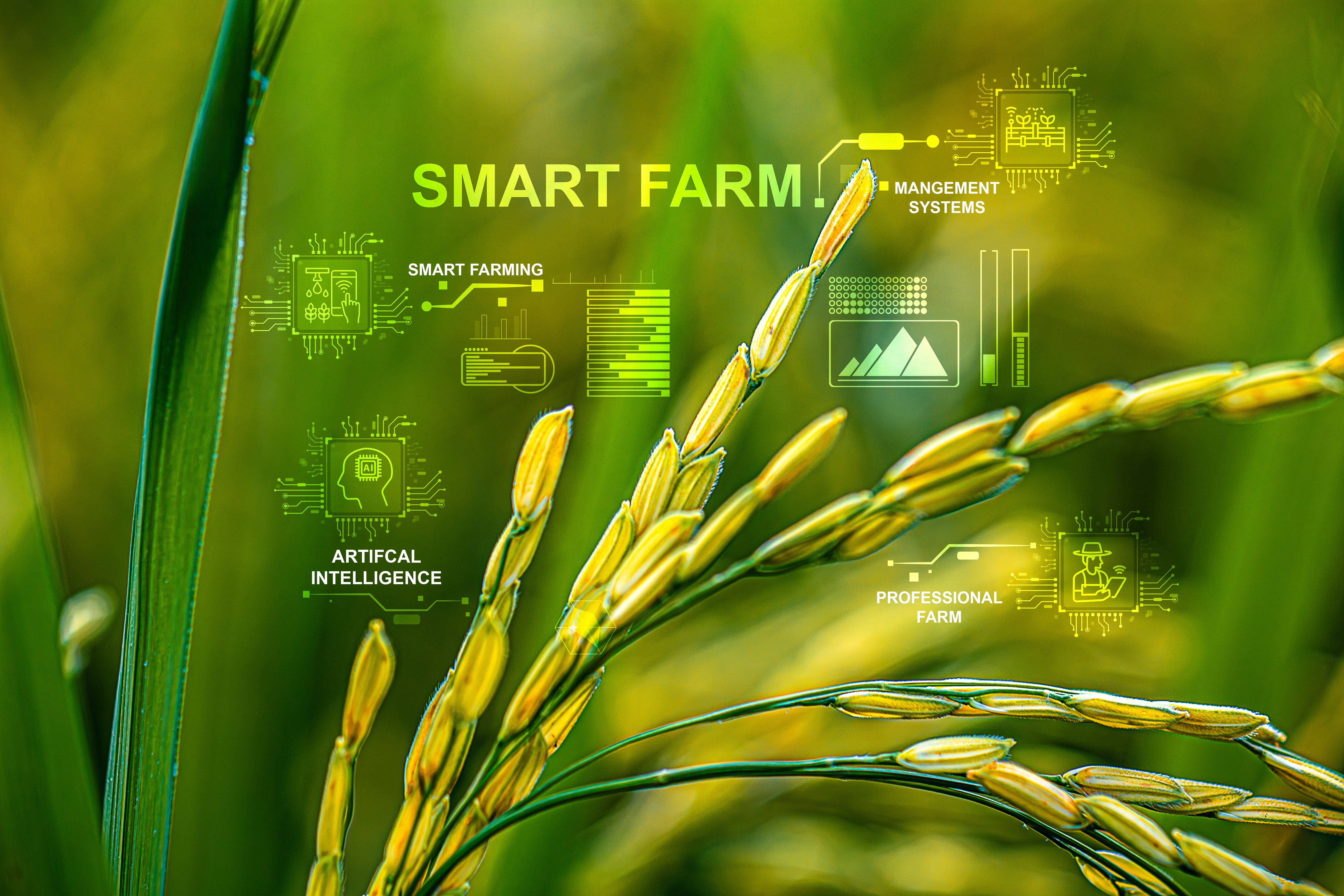
The integration of automation in equestrian facilities represents just the beginning of a broader trend towards smart farming. As technology continues to advance, we can expect even more sophisticated systems that enhance animal welfare and operational efficiency.
Facility owners who embrace these changes will not only improve the quality of care for their horses but also position themselves at the forefront of an industry that values innovation and sustainability.
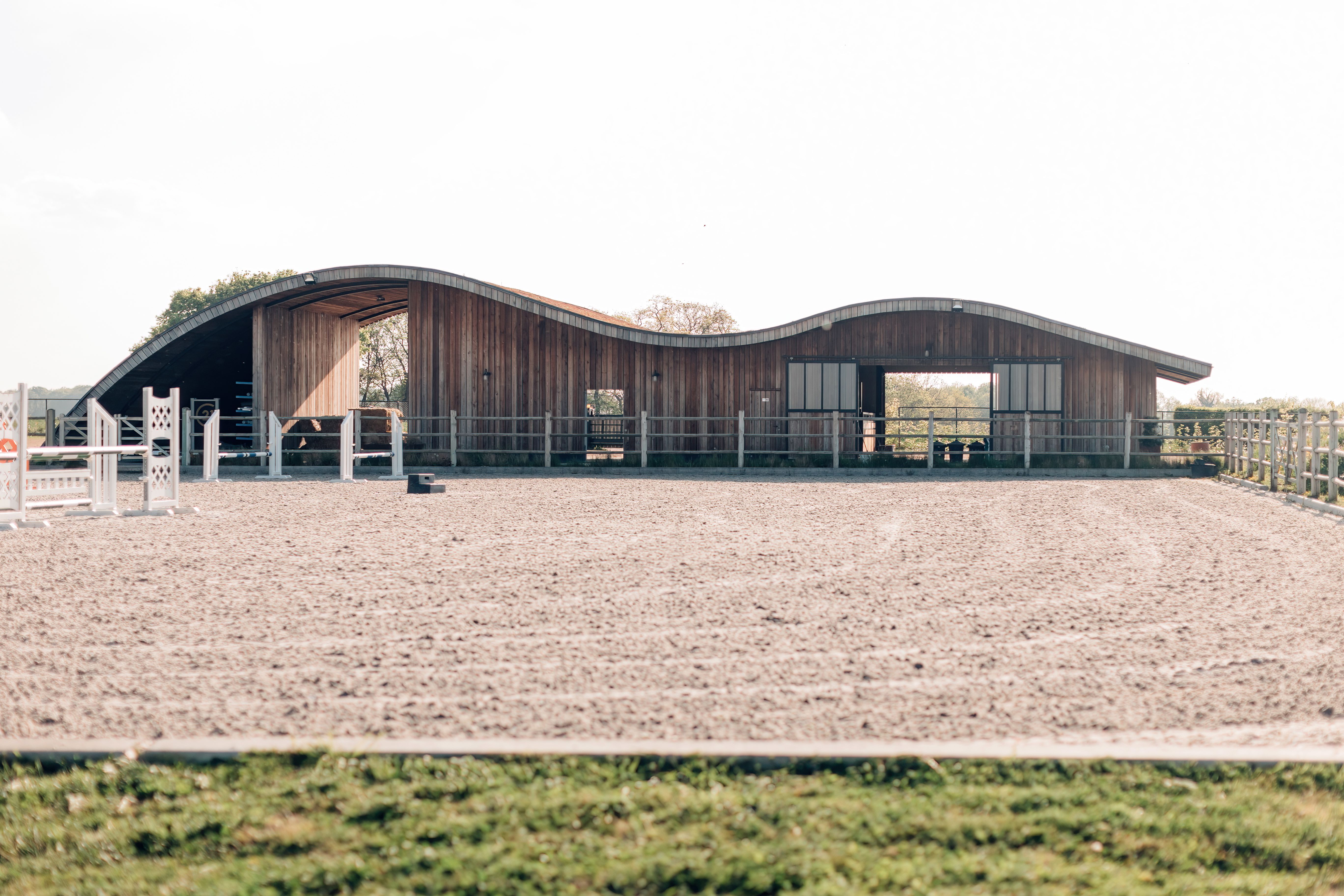
In conclusion, the implementation of 20 stall barn automation is a game-changer for the equestrian world. By adopting these systems, facility managers can ensure they are providing the best possible environment for their horses while also optimizing their operations for the future.