Seasonal Preparation: How Barn Automation Systems Handle Weather Changes


Understanding Barn Automation Systems
As the seasons change, barns face a variety of challenges related to temperature, humidity, and overall environmental conditions. Modern barn automation systems have become essential in managing these changes effectively. These systems provide numerous benefits, ensuring livestock welfare and optimizing farm operations.

Automation systems can adjust ventilation, lighting, and feeding schedules based on real-time data. This ensures that the barn environment remains consistent, regardless of external weather conditions. By maintaining a stable environment, these systems help prevent stress and health issues in livestock, ultimately improving productivity.
Temperature Control and Ventilation
One of the primary functions of barn automation systems is managing temperature and airflow. During extreme temperatures, whether hot or cold, these systems automatically adjust to maintain optimal conditions inside the barn. For instance, during the summer, sensors detect temperature rises and activate fans or open vents to increase airflow.
In colder months, the systems can close vents and activate heating elements to ensure the barn stays warm. This process not only protects the animals but also helps in maintaining energy efficiency by using resources only when necessary.
Humidity Management
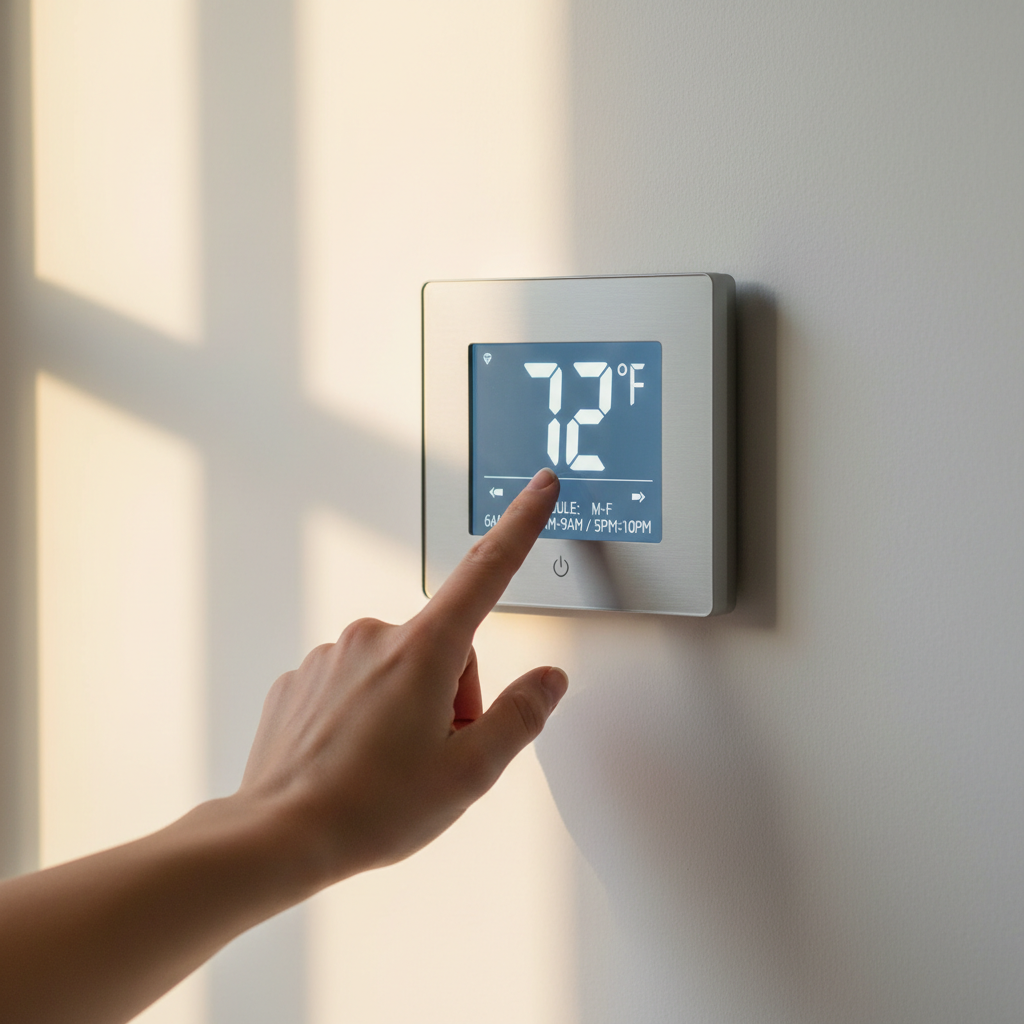
Humidity is another critical factor that barn automation systems manage effectively. High humidity levels can lead to respiratory issues and increased pathogen growth. Automation systems monitor humidity levels and adjust ventilation to maintain a healthy balance, ensuring a safe environment for livestock.
Lighting and Feeding Automation
Proper lighting is crucial for animal health and productivity. Automated lighting systems mimic natural daylight cycles, promoting better sleep and activity patterns for animals. These systems can also adjust light intensity based on the time of day and weather conditions, ensuring optimal lighting at all times.
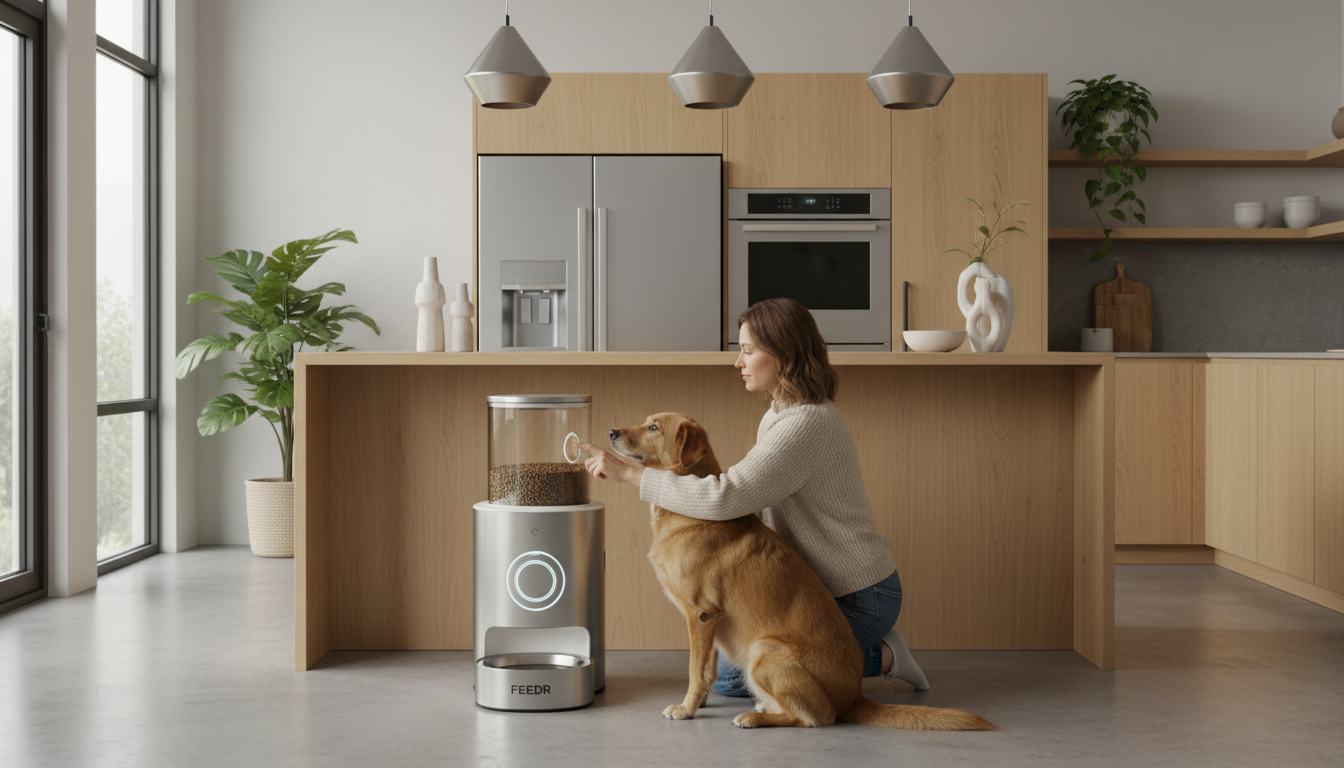
Feeding schedules can also be automated, providing consistent and timely nutrition to livestock. Automated feeders dispense the right amount of feed at set intervals, reducing waste and ensuring all animals have access to food. This consistency is especially important during seasonal changes when dietary needs may fluctuate.
Monitoring and Alerts
Advanced barn automation systems are equipped with monitoring capabilities that provide valuable insights into barn conditions. Farmers receive real-time data and alerts on their devices, allowing them to respond quickly to any issues. This proactive approach helps in minimizing risks and maximizing productivity.
The integration of smart technology in barns not only simplifies management but also leads to healthier livestock and more efficient operations. As weather patterns become increasingly unpredictable, these systems offer a reliable solution for farmers looking to maintain optimal conditions year-round.