Understanding Barn Pipe Conveyance Systems: A Comprehensive Overview


Introduction to Barn Pipe Conveyance Systems
In the world of agriculture, efficient material handling is crucial for productivity. One of the key components in modern farming operations is the barn pipe conveyance system. These systems are designed to transport various materials like grains, feed, and waste efficiently and safely. Understanding how these systems work can greatly enhance farm operations.
Components of Barn Pipe Conveyance Systems
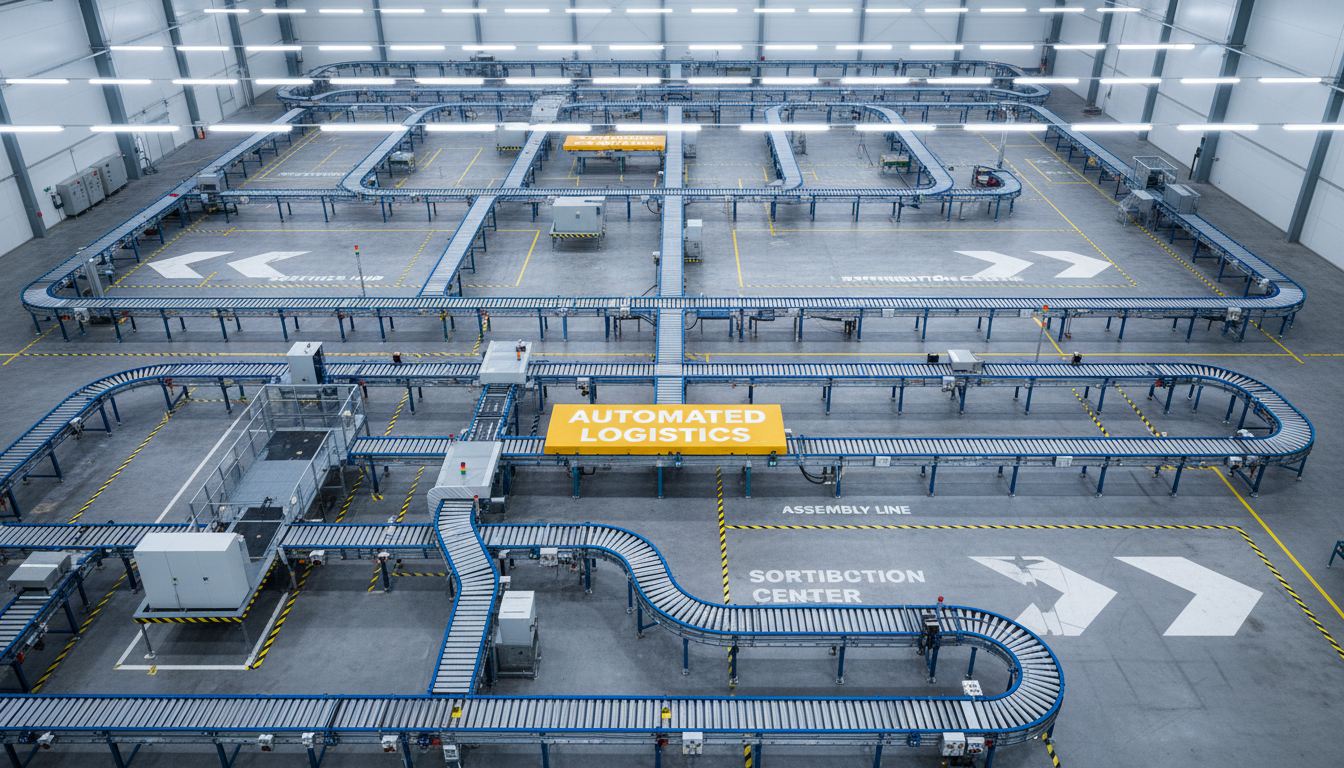
A barn pipe conveyance system typically consists of several components. The primary element is the pipe itself, usually made from durable materials like galvanized steel or PVC. Other components include connectors, supports, and sometimes mechanical elements like augers or conveyors to move material through the pipe.
Types of Conveyance Systems
There are several types of barn pipe conveyance systems, each suited to specific tasks. Gravity systems rely on the natural pull of gravity to move materials, while mechanical systems use powered elements like motors or belts. Pneumatic systems, which use air pressure, are also an option for lightweight materials.
Benefits of Using Barn Pipe Conveyance Systems
Implementing a barn pipe conveyance system offers numerous advantages. First and foremost, these systems enhance **efficiency** by reducing the need for manual labor. They also improve **safety** by minimizing direct human contact with potentially hazardous materials. Additionally, these systems can help maintain the quality of the materials being transported.
Environmental Impact
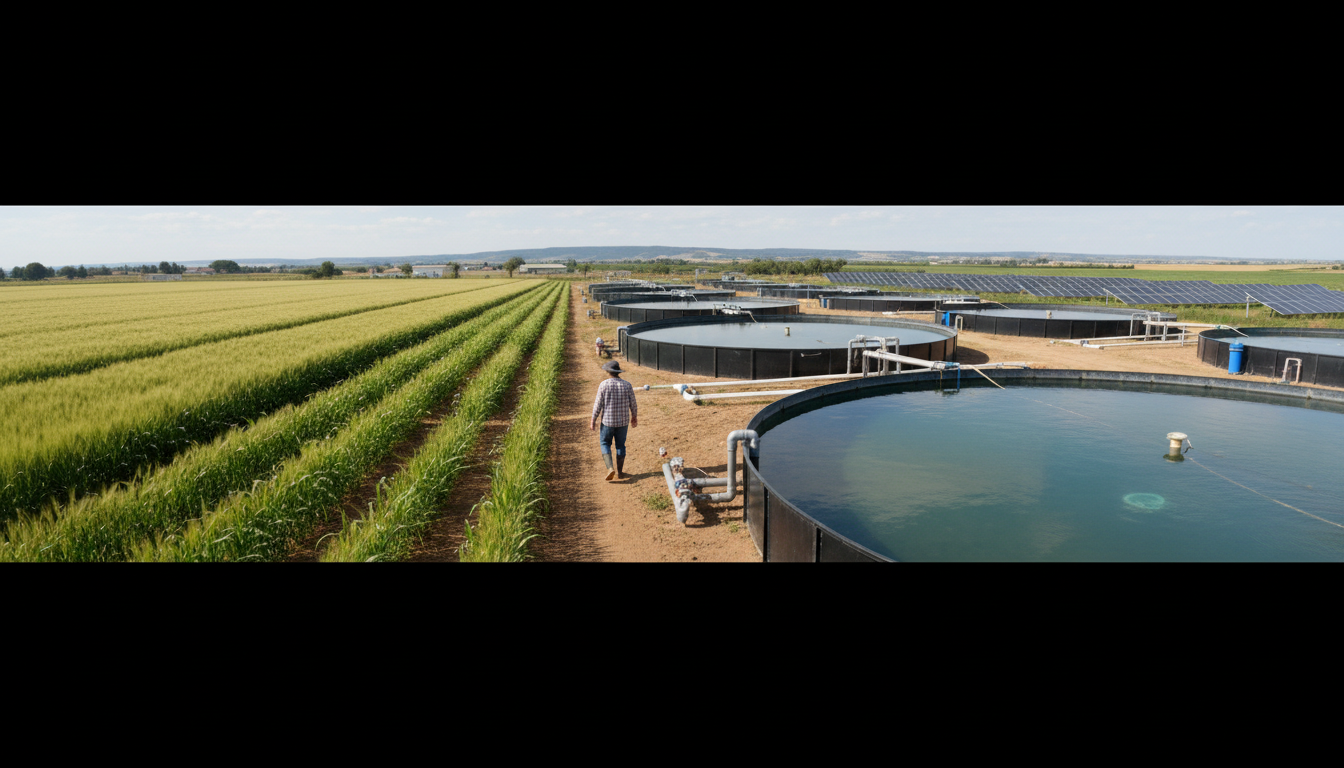
Modern barn pipe conveyance systems are designed with environmental considerations in mind. By reducing spillage and waste, they help minimize the environmental footprint of farming operations. This is particularly important in sustainable agriculture, where resource conservation is a priority.
Installation and Maintenance
Installing a barn pipe conveyance system requires careful planning and consideration of the farm's layout and specific needs. Professional installation is often recommended to ensure optimal performance. Regular maintenance is also crucial to keep the system running smoothly. This includes checking for blockages, wear and tear, and ensuring all mechanical parts are functioning correctly.

Common Challenges and Solutions
Like any system, barn pipe conveyance systems can face challenges. Common issues include clogs, leaks, or mechanical failures. Regular inspections and prompt repairs can mitigate these problems. Investing in high-quality materials and components can also reduce the likelihood of system failures.
Conclusion
Understanding barn pipe conveyance systems is essential for modern farmers looking to improve their operational efficiency. By selecting the right type of system and maintaining it properly, farmers can enjoy the benefits of reduced labor costs, improved safety, and enhanced productivity. As technology advances, these systems are likely to become even more integral to successful agricultural operations.