Why Permanent Barn Automation Systems Outperform Portable Equipment


The Advantages of Permanent Barn Automation Systems
In the world of agriculture, efficiency and productivity are paramount. Farmers are continually seeking ways to streamline operations and maximize output. One area that has seen significant advancement is barn automation. While portable equipment may seem appealing due to its flexibility, permanent barn automation systems often outperform them in several key areas.
Consistent Performance and Reliability
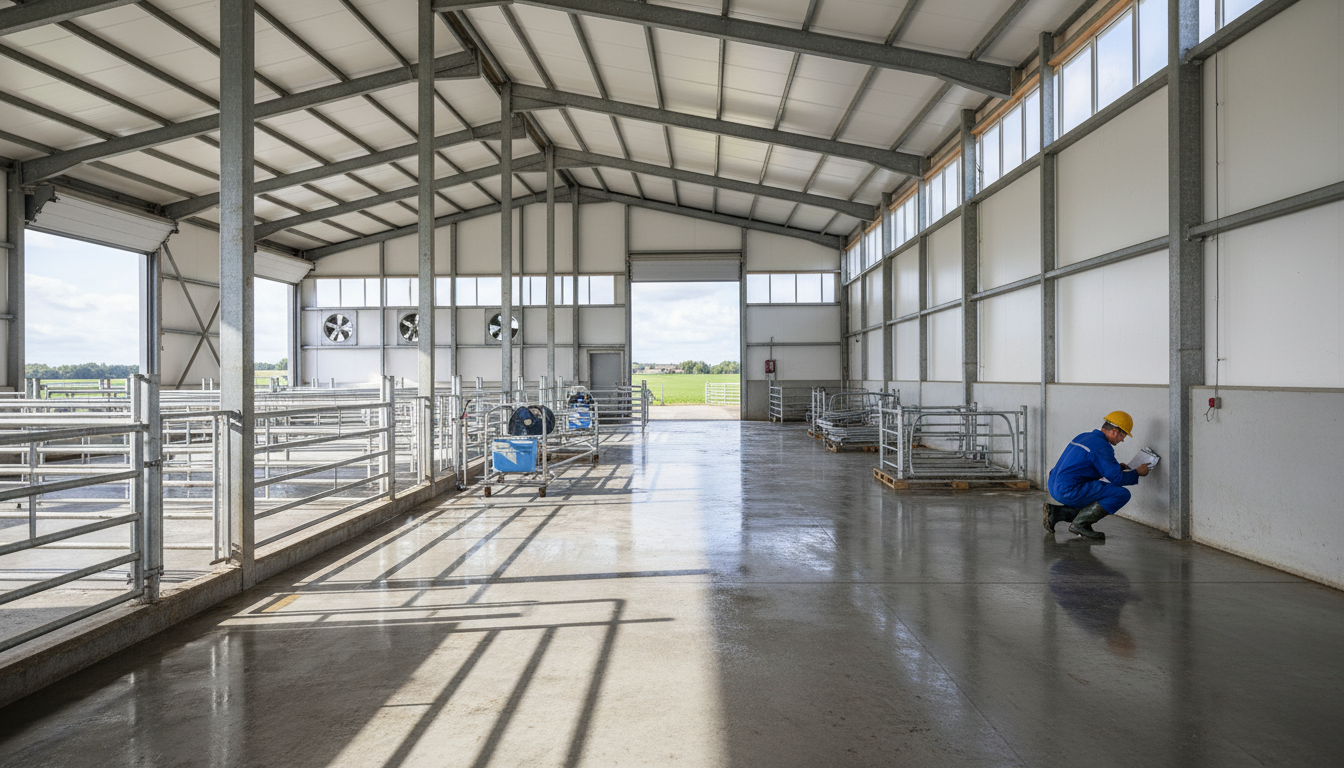
Permanent barn automation systems offer unmatched consistency in performance. Unlike portable equipment, which can suffer from wear and tear due to frequent movement, permanent systems are designed to remain in one place, ensuring they function optimally without interruption. This stability means fewer breakdowns and maintenance issues, allowing farmers to focus more on productivity rather than repairs.
Moreover, permanent systems are often built with high-quality materials designed to withstand harsh agricultural environments. This durability translates to a longer lifespan and a more reliable investment over time.
Comprehensive Integration
Another significant advantage of permanent barn automation systems is their ability to integrate comprehensively with other farm technologies. These systems can be synchronized with climate control, feeding, and milking systems, creating a cohesive and efficient working environment. This integration not only saves time but also enhances the overall productivity of the farm.
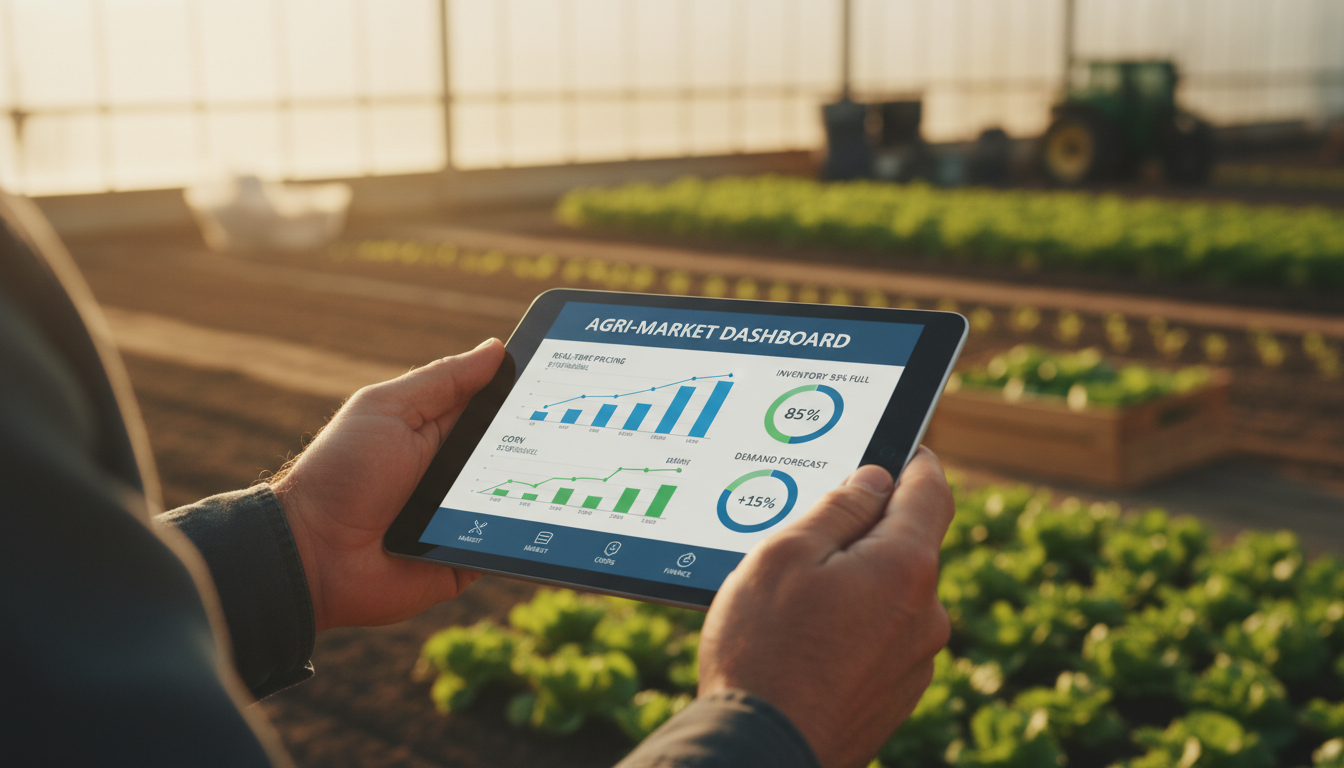
By having a centralized system, farmers can monitor and control various aspects of their operations from a single interface. This level of integration is often challenging to achieve with portable equipment, which may not be compatible with other technologies.
Enhanced Efficiency and Productivity
Permanent barn automation systems are designed with efficiency in mind. They provide streamlined processes that reduce manual labor and increase productivity. For instance, automated feeding systems ensure that livestock receive the right amount of feed at the right times, optimizing growth and health without the need for constant human intervention.
- Automated feeding schedules
- Efficient climate control
- Streamlined milking processes
These systems can significantly reduce labor costs and allow farmers to allocate resources more effectively, leading to higher profitability.
Cost-Effectiveness Over Time
While the initial investment in permanent barn automation systems may be higher than purchasing portable equipment, the long-term cost benefits are substantial. The reduced need for maintenance, repairs, and labor often results in significant savings over time. Additionally, the increased productivity and efficiency contribute to higher returns on investment.

Farmers can often recoup their initial investment more quickly with permanent systems due to these cumulative savings, making them a smart financial choice for the future.
Conclusion
In summary, while portable equipment may offer short-term flexibility, permanent barn automation systems provide a range of benefits that can lead to greater success in the agricultural industry. With their consistent performance, comprehensive integration, enhanced efficiency, and cost-effectiveness, these systems are an essential investment for modern farmers seeking to optimize their operations and maximize productivity.